

Common Water Quality Issues in Richmond, VA—and How Experts Solve Them
Clean, safe water is something most people take for granted—until it starts tasting strange, smelling off, or leaving stains behind in sinks and tubs. For many households, especially in Richmond, Virginia, water quality is a genuine concern. Whether your supply comes from the municipal system or a private well, chances are you’ve experienced some of the common issues that affect both health and home.
Fortunately, professionals who specialize in treating water in Richmond, VA have seen these problems countless times—and they know how to solve them effectively. Let’s break down the most frequent water quality challenges in the region and how experts design lasting solutions.
Hard Water: A Common Household Problem
One of the most widespread issues across Virginia—including Richmond—is hard water. Hard water contains high levels of calcium and magnesium. While safe to drink, it can cause long-term damage to plumbing, appliances, and even your skin and hair.
Signs of hard water include:
- Soap scum buildup in showers or on dishes.
- Mineral deposits around faucets.
- Stiff laundry, even after washing.
- Water heaters that wear out faster than expected.
- Dry, irritated skin and brittle hair after bathing.
Beyond inconvenience, hard water reduces efficiency, shortens appliance lifespan, and increases energy bills.
How Experts Solve It
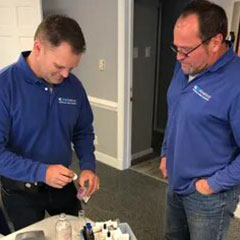
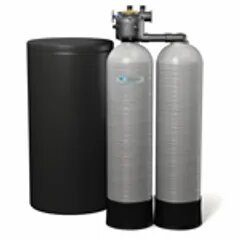
Specialists start with water testing in Richmond, VA to confirm hardness levels. The most effective solution is a water softening system that removes excess minerals before they enter your pipes. With softened water, your home benefits from cleaner dishes, smoother skin, and longer-lasting appliances.
Chlorine and Chloramine: Taste and Smell Issues
If your tap water has a strong swimming pool-like odor, chlorine or chloramine is the likely culprit. Municipal water treatment plants use these disinfectants to kill bacteria, but residual amounts often remain by the time the water reaches your home.
Over time, exposure can dry out skin and hair and alter the taste of food and beverages.
How Experts Solve It
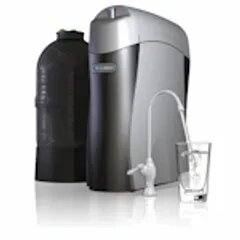
Carbon filtration systems are the standard solution. Installed at the point of entry, these filters remove chlorine, chloramine, and other chemical residues. Professional installation ensures the system is properly sized for your household’s water usage and plumbing layout.
Iron and Manganese: Staining and Sediment
Some Richmond homes—especially those with private wells—struggle with iron and manganese in their water. Though not typically harmful at low levels, they can cause:
- Rust-colored stains in sinks, tubs, and toilets.
- Black or brown particles in water.
- Metallic-tasting drinking water.
- Laundry discoloration.
If untreated, these minerals stain everything they touch and contribute to clogs inside pipes.
How Experts Solve It
Water professionals test for both soluble and insoluble forms of iron and manganese. Treatment options include oxidation filters, specialty filtration systems, or a combination of softening and advanced filtration. The approach depends on your specific water chemistry.
Low pH (Acidic Water): Hidden Corrosion
Water with a low pH is acidic, and while not immediately harmful to people, it damages plumbing over time. Acidic water corrodes pipes, pulling metals like copper into the water supply. Warning signs include:
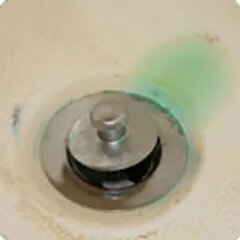
- Blue-green stains in sinks and tubs.
- Metallic or bitter-tasting water.
- Pinhole leaks in copper pipes.
- Higher risk of lead exposure in older homes.
How Experts Solve It
The solution is typically a pH neutralizer system installed at the point of entry. These systems use calcite or other neutralizing media to balance water chemistry and prevent ongoing pipe corrosion.
Bacteria and Microorganisms: Risks for Well Water
Private well owners are solely responsible for the quality of their water. One of the biggest concerns is bacterial contamination, which can result from surface runoff, septic issues, or animal waste near the wellhead.
While bacteria aren’t always visible, they can present serious health risks.
How Experts Solve It
Professionals start with a comprehensive water testing in Richmond, VA to identify coliform bacteria or other pathogens. If contamination is confirmed, ultraviolet (UV) disinfection systems are often installed. These systems neutralize bacteria without chemicals, keeping water safe and eco-friendly.
Sediment and Cloudy Water
If your tap water looks cloudy or gritty, sediment is likely the issue. This problem is especially common in older homes or with well water.
Cloudy water isn’t just unsightly—it can clog faucets, damage appliances, and reduce overall system performance.
How Experts Solve It
Sediment filtration systems are designed to remove particles before water circulates through the home. Professionals analyze the particle size and flow rate to select the right filter. In many cases, sediment filters are placed before other treatment systems to maximize performance.
Why Local Expertise Matters
You can buy water filters online, but they rarely solve the full scope of issues specific to water in Richmond VA. Local experts bring more than just equipment—they bring knowledge of the area’s municipal water sources, well systems, and regional water chemistry.
That’s where Advanced Water Systems – Kinetico Richmond makes a difference. With years of hands-on experience in Central Virginia, they provide complete solutions that go beyond one-size-fits-all filters. Their systems are tested, installed, and maintained to ensure your family enjoys safe, clean water every day.
Conclusion
From hard water and chlorine odors to iron stains and bacterial risks, Richmond homeowners face a wide range of water quality challenges. The good news is that every one of these problems is solvable with the right testing and professional solutions.
Clean, healthy water shouldn’t be a luxury—it should be the standard in every home. With expert help from Advanced Water Systems – Kinetico Richmond, you can enjoy safe drinking water, protect your plumbing and appliances, and gain peace of mind with every glass.
If you’ve noticed any of these issues—or simply want reassurance about your home’s water quality—schedule a professional water test today and take the first step toward cleaner, safer water.