Frequently Asked Questions
What is the standards for testing water for lead in Richmond VA?
The standards for testing water for lead in Richmond, VA, are guided by the Environmental Protection Agency (EPA), which mandates that lead levels must not exceed 15 parts per billion in drinking water. Regular testing is essential for ensuring safety.
What contaminants are tested in Richmond VA?
The contaminants tested in Richmond, VA, typically include nitrates, lead, bacteria, and other harmful substances that can affect water quality and safety. Regular testing is essential for ensuring safe drinking water, especially for homes with private wells.
How often should water be tested?
The frequency of water testing is essential for maintaining safety. It's recommended to test your water at least once a year, and more frequently if you have a private well or notice changes in taste, smell, or appearance.
What are the risks of lead in water?
The risks of lead in water include serious health issues such as developmental delays in children, increased blood pressure in adults, and potential damage to the kidneys and nervous system. Regular testing is essential to ensure safe drinking water.
How is water quality assessed in Richmond VA?
Water quality in Richmond, VA, is assessed through comprehensive testing for various contaminants, including nitrates, lead, and bacteria, conducted by certified professionals like Kinetico. Regular testing ensures safe drinking water for residents.
What methods are used for water testing?
The methods used for water testing include laboratory analysis, field testing kits, and online testing services. Each method helps identify contaminants such as nitrates, lead, and bacteria to ensure safe drinking water quality.
Are there specific regulations for water testing?
Specific regulations for water testing exist to ensure public health and safety. These regulations often vary by state and may include guidelines on testing frequency, methods, and acceptable contaminant levels, particularly for private wells.
How can I schedule a water test?
Scheduling a water test is simple with Kinetico Richmond. You can easily book a test by visiting our website or calling our customer service team, who will assist you in selecting a convenient time for your appointment.
What is the cost of water testing services?
The cost of water testing services varies based on the type of tests required and the specific contaminants being analyzed. For accurate pricing, it's best to consult Kinetico Richmond directly to discuss your needs.
What results indicate unsafe water quality?
Results indicating unsafe water quality include the presence of contaminants such as nitrates above 10 mg/L, lead levels exceeding 15 ppb, and any detectable bacteria. Regular testing is essential to ensure safe drinking water.
How long does water testing take?
The duration of water testing varies, but typically it takes a few hours to a few days, depending on the specific tests being conducted and the laboratory's processing time.
What should I do if lead is detected?
If lead is detected, it is crucial to stop using the water for drinking and cooking immediately. Contact a water treatment professional, like Kinetico Richmond, to discuss testing options and potential solutions to ensure your water is safe.
Can I test my water at home?
You can test your water at home using DIY testing kits available at stores. However, for comprehensive results and accurate identification of contaminants, it's recommended to use professional services like Kinetico Richmond.
What are the benefits of professional water testing?
The benefits of professional water testing include ensuring safe drinking water, identifying harmful contaminants like lead and bacteria, and providing peace of mind for homeowners, especially those with private wells. Regular testing helps maintain water quality and safety.
How does water filtration improve water quality?
Water filtration improves water quality by removing harmful contaminants such as bacteria, lead, and nitrates, ensuring that drinking water is safe and clean for consumption. This process enhances the taste and clarity of water, promoting better health.
What types of water filtration systems are available?
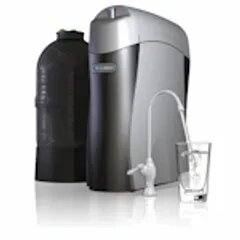
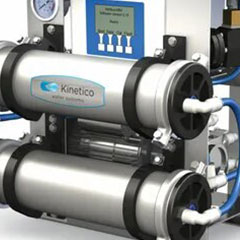
The types of water filtration systems available include reverse osmosis systems, activated carbon filters, UV disinfection units, and whole-house filtration systems. Each system effectively targets specific contaminants to ensure clean and safe drinking water.
How do I choose a water filtration system?
Choosing a water filtration system involves assessing your water quality, identifying specific contaminants, and selecting a system that effectively addresses those issues. Consulting with a water treatment professional can help ensure you make the best choice for your needs.
What maintenance is required for filtration systems?
The maintenance required for filtration systems includes regular replacement of filters, periodic cleaning of the system components, and routine checks for any leaks or malfunctions to ensure optimal performance and water quality.
Are there grants for water testing in Richmond VA?
Grants for water testing in Richmond, VA, may be available through local government programs or environmental organizations. It's advisable to check with city resources or community health departments for specific funding opportunities.
How can I ensure my well water is safe?
Ensuring your well water is safe involves regular testing for contaminants like nitrates, lead, and bacteria. It's essential to conduct these tests at least annually, especially if you rely on a private well for drinking water.
What are the signs of contaminated water?
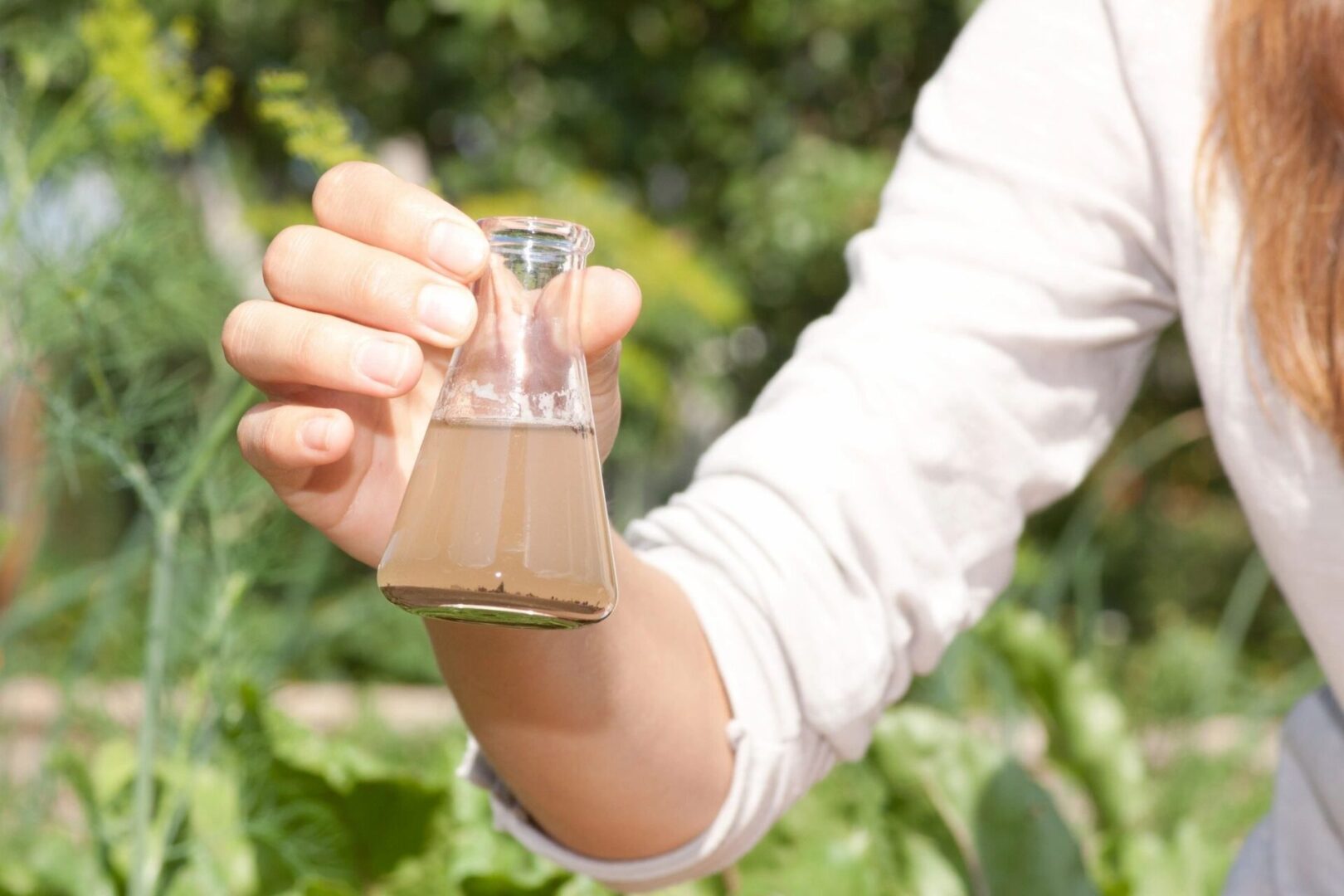
The signs of contaminated water include unusual odors, discoloration, floating particles, and an unpleasant taste. Additionally, health issues such as gastrointestinal problems or skin irritations may arise, indicating potential water quality concerns.
How does temperature affect water testing results?
Temperature affects water testing results by influencing the chemical reactions and biological activity in the water sample. Higher temperatures can increase the solubility of certain contaminants, potentially leading to inaccurate test outcomes.
What is the importance of regular water testing?
The importance of regular water testing lies in ensuring the safety and quality of drinking water. It helps identify harmful contaminants, such as nitrates, lead, and bacteria, thereby protecting your health and that of your family.
Can water testing detect bacteria and viruses?
Water testing can detect bacteria and viruses. These tests are essential for identifying harmful microorganisms in drinking water, ensuring safety and quality for consumers, especially for those relying on private wells.
What is the turnaround time for test results?
The turnaround time for test results is typically 3 to 5 business days. This timeline ensures that our professionals conduct thorough analyses to provide accurate and reliable information about your water quality.
How do I interpret my water test results?
Interpreting your water test results involves understanding the levels of various contaminants present. Compare your results to EPA guidelines to determine if your water is safe, and consult with Kinetico professionals for detailed analysis and recommendations.
What are the common sources of water contamination?
The common sources of water contamination include agricultural runoff, industrial discharges, sewage leaks, and natural sources like heavy metals and bacteria. These contaminants can significantly affect water quality and safety, making regular testing essential.
How can I improve my water quality at home?
Improving your water quality at home involves regular testing for contaminants, using water filtration systems, and ensuring proper maintenance of plumbing. Consider professional services like Kinetico Richmond to assess and enhance your water safety effectively.
What is the process for testing well water?
The process for testing well water involves several key steps. First, a water sample is collected from the well, following specific guidelines to ensure accuracy. Then, the sample is sent to a certified laboratory, where it is analyzed for contaminants such as bacteria, nitrates, and heavy metals. Finally, you receive a detailed report of the findings, which helps determine the water's safety and quality.
Are there local resources for water quality education?
Local resources for water quality education are available through community organizations, local health departments, and environmental agencies that offer workshops, informational pamphlets, and online resources to help residents understand water quality issues and testing options.