
What Is Involved in the Duct Cleaning Process?
Indoor air pollution is a serious problem that can have both short-term effects on your health and long term consequences. The likelihood of immediate reactions to indoor pollutants depends largely upon two factors: age, if you are younger than 18 years old; or preexisting medical conditions such as asthma - which means some people will be more susceptible than others (just like their sensitivity to heat waves). In addition there's also individual variation in responses depending upon how sensitive someone may already be beforehand!
Indoor pollution can have a variety of different effects on people. Since the symptoms are often similar to those from colds or other viral diseases, it's hard for doctors and scientists alike to tell if an individual has been infected with air quality issues at home without conducting multiple tests in various locations throughout their environment.
In addition there may be long term health risks associated with low level exposure that would never show up immediately but over time become obvious through permanent bodily changes such as tissue damage & organ failure.
Indoor Air Quality (IAQ) is the air inside your home, school or office. This includes everything from dust to mold spores! The problem with some indoor pollution? You might not even know it's there - until you start having problems breathing at night time when all of those toxins are waiting for an opportunity in their new "home".
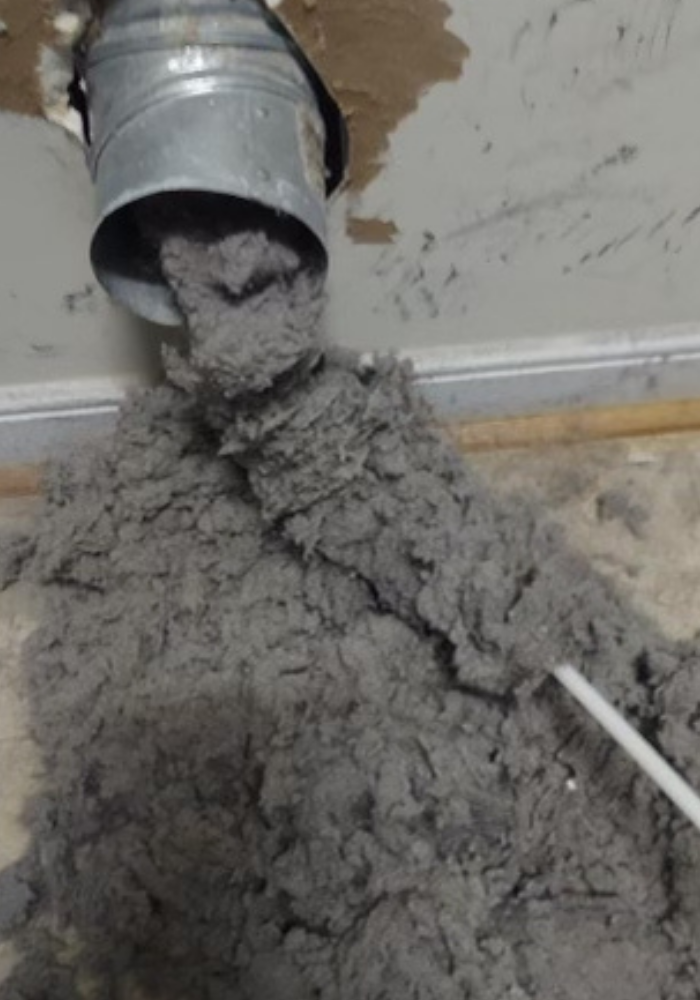
A home is a breeding ground for many kinds of germs. These microscopic bacteria can congregate in the duct system of a home, creating an unhealthy air quality. Those who have their air ducts cleaned often find they must dust less often. Many also report fewer allergy symptoms.
The most obvious health effects of pollution are irritability and headache. These can be treated with a rest, or they may disappear after an hour without further intervention on your part!
More severe cases result in nausea for some people as well; however this is not life-threatening unless it continues unchecked over time since you'll also experience comparatively dry mouth along these lines too--which brings us back full circle: if there's no identified source then treatment options usually include eliminating all sources together rather than just one at random. Asthma and other respiratory diseases can start to appear or may become worsened due to exposure from some indoor air pollutants.
The duct cleaning process is quite intricate and involves multiple steps.
- First, the system and ductwork are carefully prepared for the cleaning process. During the duct cleaning service, the HVAC system will need to be shut off to be safely cleaned.
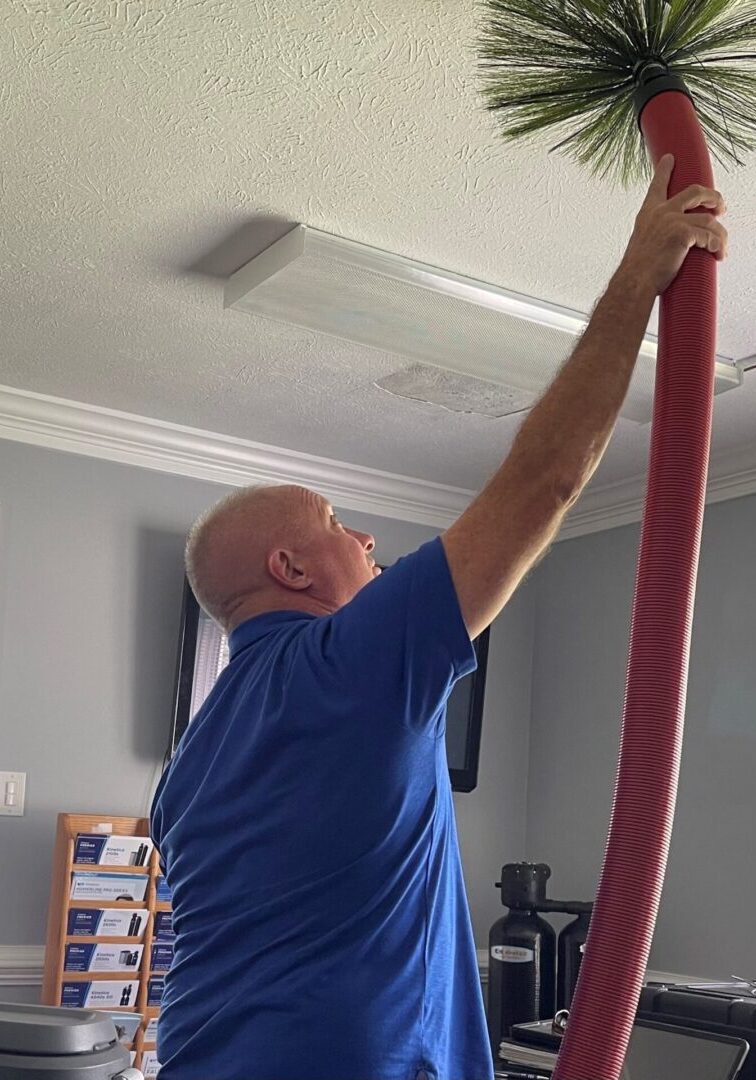
- The dislodging process is next and is an integral part of the duct cleaning process. Dislodging helps to ensure the debris and irritants will be extracted properly. The Rotobrush System uses specially designed, spinning brushes to gently scrub the inside of each duct.
- A high-powered vacuum system removes all dirt, debris, and allergens effectively. These vacuums can reach deep into the ducts, where a traditional household vacuum could not. Hepa filters ensure that all dust is captured and contained.
- The system is finally sanitized thoroughly to prevent mold buildup from occurring. Mold can make the occupants of a home very ill, so it’s an essential step in cleaning air ducts. You can return to full use in 2 hours and the sanitization lasts 6 months.
- Our Duct Cleaning Services in VA will help eliminate many of these pollutants and contaminants that can lead to long term health effects and respiratory illnesses. We specialize in Dryer Duct Cleaning in Richmond and many Central and Southern Virginia Cities. Our Advanced Duct Cleaning Services will have you breathing safe!
Dryer Vent Cleaning Saves Lives
Although individuals may clean their dryer filter, this does not mean there is no danger. According to FEMA, dryers start 2,900 house fires each year. These fires often result in over $35 million in property damages.
With dryer vent cleaning service, homeowners can rest assured their vent is clean and free of debris that could cause the dryer to malfunction or even lead to a dangerous fire. A dryer’s lifespan can often be reduced because it has not been appropriately maintained. Having the vent deep cleaned removes the softener and clothing residue that can lead to blockages in airflow. Our Duct Cleaning Services in VA will help eliminate many of these pollutants and contaminants that can lead to long term health effects and respiratory illnesses. We specialize in Dryer Duct Cleaning in Richmond and many Central and Southern Virginia Cities. Our Advanced Duct Cleaning Services will have you breathing safe!
Multiple signs may warn a homeowner they need to have their dryer vent cleaned, and they include the following.
- If the dryer does not get the clothes dried in the first cycle, this likely means there is a problem with air circulation.
- Should a person find their clothes or dryer overly hot at the end of a cycle, the hot air is not escaping as it should, which can lead to dangerous overheating.
- Do not ignore a burning smell, which is a dangerous sign. Burning smells mean the dryer is overheating, and the vent likely needs to be cleared right away.
- If lint is building up inside the duct and it is matted and difficult to clean, it is wise to hire a professional.
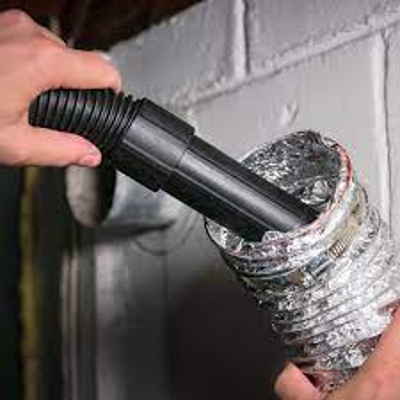
Here is the top 5 reasons: Why it’s important to keep your dryer vent clean and free from clogs and lint.
Safety
The number 1 reason on our list is safety! Dryers run hot and lint is highly flammable, which makes for a dangerous combination. Call us before you have to call 911!
According to the U.S. Fire Administration, clothes dryers are responsible for more than 15,000 structure fires each year and 80% of those are due to clogged dryer vents. This is a preventable problem.
Low-Efficiency
We all want our appliances to work as efficiently as possible. A clogged dryer vent could mean your clothes will need multiple cycles before drying correctly or will need to run longer. This is because the proper amount of hot air is not reaching your dryer, and the most air cannot escape outside.
Multiple cycles and extended drying times mean additional energy spent and could lead to an increase in your electrical bill.
Longer Life for Your Dryer
A clogged vent means a less efficient drying cycle. If your dryer is running longer than normal or more than one cycle per load, you're decreasing the life of your dryer. Basically if your machine has to run two cycles , when it only should use one, it will wear out in half the time.
A dryer that is overworked will add considerable wear and tear to your machine. This could lead to malfunctions and needed repairs. Allowing your dryer to run this way will cause a complete breakdown of your machine over time.
Mold
The purpose of the dryer vent is to release moisture and hot air outside. The moisture can sometimes create wet spots inside the tube. Built-up lint can get caught in these wet spots and create mold.
This wet lint can also stick to the inside of the vent’s tube making dryer vent cleaning more difficult.
Less Maintenance
Like any other appliance or machine, your dryer will last longer and work better if it’s properly cared for. Cleaning the vent regularly will help ensure that your clothes are being dried in a timely manner and you aren’t wasting unnecessary energy. Extended drying time cause strain on your fabrics.
A dryer that continues to run with a clogged vent can cause internal problems that require repairs. This means more money for you.
Your dryer vent should be cleaned once a year. If you’re unsure of how to clean your vent or want professional assistance, contact a cleaning specialist today!
Schedule an Appointment
Homeowners in the Richmond Area need to be aware of the dangers of dirty ducts and dryer vents. With regular cleaning services, you can protect your home’s air quality — breathing easier, and with fewer asthma and allergy symptoms.
Call today to schedule an appointment right away. Having the ducts in a home cleaned every three to five years will improve the central air system’s function and prevent nasty buildups of toxic irritants in the ducts.
Advanced Water Systems provides a wide range of services for their customers in the Richmond Va, area including duct and dryer vent cleaning.
