Water Softener vs. Water Filter: Which One Do You Need?
A water softener and a water filter solve different problems. A water softener is designed primarily to reduce hardness caused by calcium and magnesium. A water filter may target sediment, chlorine, taste, odor, or specific contaminants depending on the technology. Some homes need one, some need both, and others need a different type of treatment entirely.
The better question is not whether a softener or filter is universally better. It is which treatment matches the problem in your water.
That is why testing your water before choosing treatment is useful when the cause is not obvious. Advanced Water Systems currently lists residential and commercial water testing alongside softening, filtration, reverse osmosis, acid neutralization, UV and ozone treatment, and other water-treatment services.
What Is the Difference Between a Water Softener and a Water Filter?
A water softener specifically targets hardness. “Water filter” is a much broader term covering technologies that address different substances or water-quality concerns.
What Does a Water Softener Do?
Most residential ion-exchange water softeners use resin to exchange calcium and magnesium ions, which cause hardness, for sodium or potassium ions. NSF/ANSI 44 is the standard covering residential cation-exchange water softeners used for hardness reduction.
That makes a softener most relevant when a homeowner is dealing with signs such as:
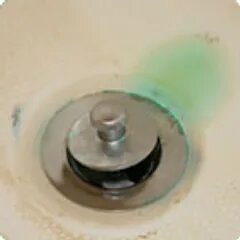
- White mineral scale
- Chalky deposits around faucets
- Hard-water spots on fixtures and glassware
- Mineral buildup associated with hard water
- Soap that does not perform as expected in hard water
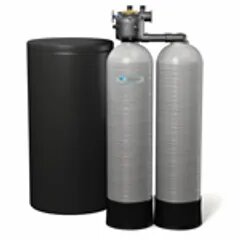
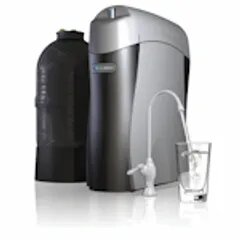
Advanced Water Systems currently lists non-electric Kinetico systems, non-electric twin-tank and single-tank options, and conventional electric economy systems among its water-softener offerings.
Homeowners researching this category can review the company’s water-treatment options for hardness and other water problems.
What Does a Water Filter Do?
A water filter may use sediment filtration, activated carbon, adsorptive media, membranes, or another technology. What it reduces depends on the specific filter and its certified performance claims. NSF notes that manufacturers choose the contaminants or effects for which a product is tested and certified, so “water filter” does not mean “removes everything.”
Depending on the system, filtration may be used for:
- Sediment
- Chlorine
- Certain taste and odor concerns
- Particular contaminants
- Drinking-water treatment
- Specialty water problems
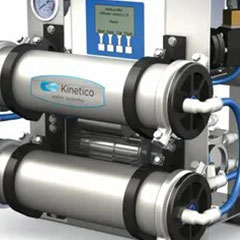
Advanced Water Systems offers whole-home water filtration options as well as drinking-water and reverse-osmosis treatment.
Which One Is Better?
Neither is automatically better.
A softener is better at doing the job it was designed for: reducing hardness.
An appropriately selected filter is better when the problem involves something that filtration is specifically designed to address.
If your home has more than one water problem, the correct answer may be both systems or another treatment sequence.
What Problems Does a Water Softener Solve?

A conventional residential softener is primarily a hardness-treatment system.
Calcium and magnesium are the principal ions responsible for hardness, and residential cation-exchange softeners reduce them through ion exchange.
Common Signs of Hard Water
Possible signs include:
- White scale around faucets or showerheads
- Mineral deposits on fixtures
- Spotting on glassware
- Buildup associated with hot-water appliances
- Reduced soap performance
These symptoms can suggest hardness, but testing is more reliable than diagnosing the water by appearance alone.
What Does a Water Softener Not Automatically Remove?
A standard softener should not be treated as a complete solution for:
- Sediment
- Chlorine or chloramine
- Bacteria
- Sulfur odor
- Lead
- PFAS
- Every form of iron or manganese
- Every drinking-water contaminant
Some ion-exchange systems can carry certified reduction claims beyond hardness, but those claims are model-specific and must be verified rather than assumed. NSF’s certification database separately identifies hardness-reduction and other possible claims for cation-exchange equipment.
What Problems Can a Water Filter Solve?

There is no single answer because water filters use different technologies.
Sediment
A sediment filter is designed to remove particles from water. It may help where sand, silt, rust particles, or other suspended material is present.
It does not perform the same function as a softener because hardness minerals are dissolved in the water.
Chlorine, Taste, and Odor
Activated-carbon filters are commonly used for adsorption-based treatment. NSF/ANSI 42 includes certification for aesthetic effects such as chlorine, taste, and odor reduction when a particular product has been tested for those claims.
A carbon filter should still be selected according to the actual problem and certified claims rather than assuming any carbon cartridge addresses every chemical or odor.
Iron and Manganese
Iron and manganese treatment depends heavily on:
- The form in which the mineral is present
- Concentration
- pH
- Other water chemistry
- Selected treatment technology
A softener may be relevant under some water conditions, while other cases require dedicated filtration or oxidation treatment. The company’s existing article about choosing treatment when your water has several problems at once discusses why hardness, odor, and staining should not all be treated as the same issue.
Drinking-Water Contaminants
Point-of-use treatment may be useful when the goal is specifically drinking and cooking water rather than every gallon entering the home.
Advanced Water Systems currently lists filtration and reverse osmosis among its drinking-water services.
For homeowners considering that approach, the company’s drinking-water filtration and reverse-osmosis options provide a more focused next step.
Can a Water Filter Remove Hard Water?
Most standard sediment and carbon filters do not soften hard water.
Hardness is primarily caused by dissolved calcium and magnesium. Those minerals pass through ordinary particulate and carbon filtration because they are dissolved rather than simply floating as particles. Cation-exchange softening is specifically designed to reduce those hardness ions.
This distinction is important because a homeowner may install an expensive whole-home filter and still see scale if the real problem is hardness.
If white mineral deposits and hard-water spotting are the main concerns, the useful question is usually whether softening is needed rather than whether the home needs a larger sediment or carbon filter.
Does a Water Softener Filter Drinking Water?
A water softener changes the mineral composition responsible for hardness, but it should not automatically be considered a complete drinking-water filtration system.
For example, installing a softener does not mean the system is certified to reduce:
- Chlorine
- Lead
- PFAS
- Nitrate
- Bacteria
- Every other drinking-water contaminant
NSF separates water-softener certification under NSF/ANSI 44 from filtration and reverse-osmosis standards because these technologies have different functions.
A homeowner who wants soft water throughout the property and additional drinking-water treatment at the kitchen sink may therefore consider whole-home softening plus point-of-use filtration or reverse osmosis, depending on test results and personal goals.
Do You Need Both a Water Softener and a Water Filter?

You may need both when your home has hardness plus a separate filtration problem.
A combined system should not be installed simply because “more treatment must be better.” Each component should have a reason for being there.
Hardness Plus Chlorine Taste or Odor
A home may have measurable hardness while the homeowner also dislikes chlorine taste or odor.
In that situation, separate softening and appropriate carbon treatment may be considered because the two technologies perform different functions.
Hardness Plus Sediment
A private well can potentially have both hardness and suspended material.
Depending on the water conditions, sediment filtration may be used before other equipment so particles do not create problems downstream. The exact configuration should be selected after evaluating the water and equipment requirements.
Hardness Plus Drinking-Water Concerns
Some homeowners want hardness treated throughout the property but only need advanced filtration for drinking and cooking water.
That can make whole-home softening plus an under-sink drinking-water system a more targeted approach than treating every gallon with the same technology.
The company has a separate comparison explaining whether to treat one faucet or the entire home.
Hardness Plus Iron or Manganese
This situation deserves testing rather than a generic recommendation.
Iron, manganese, hardness, and pH can affect which equipment is appropriate and how treatment should be sequenced.
Do not assume a softener alone will solve every staining problem.
Quick Guide: Softener, Filter, Both, or Something Else?
| Water problem | Softener may help | Filter may help | Another treatment may be needed |
| White scale | Yes | Usually not with standard filtration | Sometimes |
| Hard-water spotting | Yes | Usually not | Sometimes |
| Chlorine taste or odor | No | Yes, with appropriate treatment | Sometimes |
| Sediment | No | Yes | Sometimes |
| Iron staining | Sometimes | Sometimes | Often requires condition-specific treatment |
| Rotten-egg odor | Usually not | Sometimes | Sulfur-specific treatment may be needed |
| Acidic or low-pH water | No | Ordinary filtration does not correct pH | Acid neutralization may be needed |
| Bacteria | No | Not with an ordinary sediment/carbon filter | UV or disinfection may be appropriate |
| Specific drinking-water contaminant | Not automatically | Depends on technology and certification | RO or another certified treatment may be appropriate |
This table is a starting point, not a substitute for water testing. Specific treatment performance depends on the water chemistry and exact equipment selected.
What If Your Water Problem Is Not Hardness or Ordinary Filtration?
This is where the softener-versus-filter comparison can become misleading.
Some problems require a different treatment category altogether.
Rotten-Egg Odor
A persistent rotten-egg smell may involve hydrogen sulfide, sulfur-related bacteria, the water heater, or another source.
A standard softener is not automatically the answer, and an ordinary sediment filter is not automatically the answer either.
If this is your primary concern, review what causes rotten-egg odor in well water and why the source of the odor should be identified before treatment.
Acidic Water
Low-pH or acidic water may require neutralization rather than conventional softening or carbon filtration.
Advanced Water Systems currently lists several acid-neutralization approaches, including backwashing calcium-carbonate filters, soda-ash systems, and passive calcite-based treatment.
Homeowners dealing with corrosion-related or low-pH concerns can learn more about treatment for acidic water.
Bacteria
Ordinary softening and carbon filtration should not be assumed to disinfect contaminated water.
NSF/ANSI 55 covers ultraviolet treatment systems designed for microbial treatment under specific conditions.
Advanced Water Systems lists UV and ozone treatment among its services.
Specific Dissolved Contaminants
A specific drinking-water contaminant may require reverse osmosis, adsorption, ion exchange, or another technology that has been certified for that particular reduction claim.
EPA describes reverse osmosis as a membrane process capable of removing a range of dissolved contaminants, while NSF emphasizes verifying the exact certification of the system being considered.
Which Is Better for Well Water: A Softener or Filter?
There is no single best choice for well water because private wells can have very different water chemistry.
One well may primarily have hardness. Another may have:
- Sediment
- Iron
- Manganese
- Acidity
- Sulfur odor
- Bacteria
- Several concerns at once
Advanced Water Systems’ water-testing page specifically discusses hardness, iron, manganese, odor, and other well-water concerns, reinforcing why treatment selection should start with understanding the water.
The answer may therefore be a softener, filter, multiple treatment stages, or another technology entirely.
Which Is Better for City Water: A Softener or Filter?
The same principle applies to municipal water.
A homeowner may want a softener because the water is hard, while another may be more concerned with:
- Chlorine or chloramine
- Taste
- Odor
- Sediment
- Household plumbing
- A specific contaminant
Receiving municipal water does not automatically mean a home needs filtration, and choosing additional home treatment should not be interpreted as evidence that the public supply is unsafe.
The decision should be based on the homeowner’s goals and the actual water condition.
How Can You Tell Which System Your Home Needs?

A straightforward process is:
- Identify the symptoms. Look for scale, staining, odor, sediment, or taste concerns.
- Test the water. Determine whether the issue is hardness, iron, manganese, pH, bacteria, or another water-quality condition.
- Separate hardness from filtration problems. Do not assume that every visible problem requires a filter.
- Decide where treatment is needed. One drinking-water faucet and the entire home are different projects.
- Account for household demand. Whole-home systems need to handle the required flow.
- Match each treatment stage to a reason. Every tank, filter, or membrane should solve an identified problem.
- Review maintenance requirements. Compare filters, salt, media, membranes, lamps, and service needs.
- Verify specific performance claims. Look for certification tied to the exact model and contaminant being discussed.
NSF specifically advises consumers to identify their water concern and choose treatment products certified for the appropriate reduction claim.
Get Help Choosing a Water Softener or Filter in Central Virginia
If you are unsure whether your home needs a softener, filter, both, or another form of water treatment, start with the water rather than the equipment.
Advanced Water Systems – Kinetico Richmond provides water testing, water softeners, filtration, drinking-water systems, reverse osmosis, acid neutralization, and other residential and commercial water-treatment services throughout its listed Central and Southern Virginia service area.
Call (877) 609-2837 or request water testing and treatment guidance to discuss the water problems you are experiencing. The contact page specifically invites customers to report concerns involving color, taste, odor, and stains.
Frequently Asked Questions
Is a Water Softener the Same as a Water Filter?
No. A residential water softener primarily reduces hardness minerals through ion exchange. A water filter is a broader category of equipment that may target particles, chlorine, taste, odor, or specific contaminants depending on its design and certification.
Does a Water Filter Soften Hard Water?
Most ordinary sediment and carbon filters do not remove dissolved calcium and magnesium, so they do not perform the same job as a water softener. Cation-exchange treatment is specifically designed for hardness reduction.
Do I Need Both a Water Softener and a Filter?
Possibly. A home with hardness plus sediment, chlorine taste, odor, or another separate problem may need more than one treatment technology. Testing helps determine whether each component is actually necessary.
Does a Water Softener Remove Chlorine?
A standard softener should not automatically be assumed to reduce chlorine. Chlorine reduction is commonly associated with appropriately certified filtration technologies such as activated carbon.
Does a Water Softener Remove Iron?
Some ion-exchange systems may handle certain iron conditions, but iron treatment depends on concentration, form, pH, and other water chemistry. Do not assume a standard softener will solve every iron-staining problem.
Do I Need Reverse Osmosis If I Already Have a Water Softener?
Not necessarily. A softener addresses hardness, while reverse osmosis is a membrane technology that may reduce various dissolved contaminants. RO may be considered when drinking-water goals go beyond hardness reduction.
External Sources
- NSF, Standards for Water Treatment Systems
https://www.nsf.org/consumer-resources/articles/standards-water-treatment-systems
Used to verify ion-exchange softening, hardness reduction, filtration standards, UV treatment, and reverse-osmosis classifications. - NSF, Home Water Treatment Systems and Solutions
https://www.nsf.org/consumer-resources/articles/home-water-treatment
Used to verify why contaminant-reduction claims should be tied to the specific treatment system and certification. - NSF, NSF/ANSI 44 Technical Requirements
https://www.nsf.org/knowledge-library/nsf-ansi-44-technical-requirements
Used to verify residential cation-exchange water-softener requirements and hardness reduction. - U.S. EPA, Drinking Water Treatment Technology Unit Cost Models
https://www.epa.gov/sdwa/drinking-water-treatment-technology-unit-cost-models
Used for general technical descriptions of cation exchange, reverse osmosis, and adsorptive treatment.