
When Should You Schedule Water Testing in Richmond, VA? Key Triggers Homeowners Miss
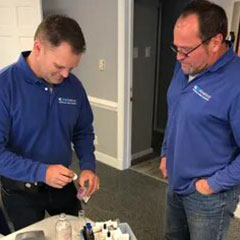
Many homeowners assume that water testing is only necessary when there is a visible problem. If water looks clear and tastes acceptable, it’s easy to believe everything is fine. However, changes in water in Richmond, VA often happen silently. Contaminants, mineral buildup, and pipe-related issues can develop without obvious warning signs. Knowing when to schedule water testing in Richmond, VA helps homeowners catch problems early and avoid long-term damage to health and home systems.
Understanding the right moments to test your water is just as important as the test itself.
Why Timing Matters More Than Most Homeowners Realize
Water quality is not static. It changes over time due to environmental conditions, infrastructure wear, and household usage patterns. Municipal treatment facilities do their part, but once water leaves the plant, it must travel through miles of piping before reaching your home. Along the way, it can pick up sediment, corrosion byproducts, and minerals.
Without routine water testing in Richmond, VA, homeowners may unknowingly use water that contributes to plumbing damage, appliance inefficiency, or comfort issues. Testing at the right time allows problems to be addressed before they escalate.
Life Events That Should Always Trigger Water Testing
Many homeowners miss key moments when water testing is strongly recommended. These events often introduce changes that affect water chemistry or exposure risk.
Buying or Moving Into a New Home
Every home has a different plumbing history. Older pipes, previous renovations, or long-standing water issues may not be disclosed during the buying process. Scheduling water testing in Richmond, VA after moving in establishes a baseline and ensures the water is safe from day one.
Plumbing Repairs or Renovations
Replacing pipes, installing new fixtures, or remodeling kitchens and bathrooms can disturb existing plumbing. This disturbance may release sediment or corrosion into the water supply. Testing afterward confirms that water quality hasn’t been compromised.
Installing New Appliances
Water heaters, dishwashers, and washing machines are directly affected by mineral content. Testing water before installing appliances helps determine whether Virginia water conditioning or filtration is needed to protect your investment.
Seasonal Changes Can Alter Water Quality
Seasonal shifts play a major role in water chemistry. Heavy rainfall can introduce runoff and sediment, while drought conditions may concentrate minerals. Temperature changes also affect how minerals dissolve and deposit within plumbing systems.
Homeowners who schedule water testing in Richmond, VA during seasonal transitions are better equipped to adjust treatment solutions and prevent scale buildup or pressure loss.
Well Water Homes Require Extra Attention
For households using private wells, well water testing in Virginia should never be optional. Unlike city water, private wells are not regulated, and contamination can occur without any visible signs. Bacteria, nitrates, iron, and other substances may enter groundwater through surface runoff or nearby land use changes.
Testing should be performed annually and immediately after flooding, drilling activity, or changes in taste or odor. Results often guide the selection of appropriate water treatment systems Richmond homes require for safe use.
Subtle Warning Signs That Testing Is Overdue
Not all water problems are obvious. Some warning signs are subtle but indicate underlying issues:
- White scale on faucets or shower doors
- Soap that doesn’t lather properly
- Cloudy water or visible particles
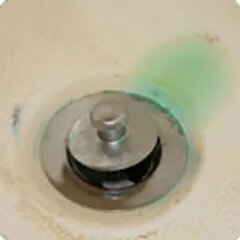
- Rust-colored stains on sinks or laundry
- Reduced water pressure over time
These signs often point to mineral buildup or sediment that water conditioning in Richmond, VA can address once testing confirms the cause.
How Water Testing Guides the Right Treatment
Testing doesn’t just identify problems—it prevents guesswork. Accurate results determine whether filtration, conditioning, or a full water treatment Richmond, VA solution is required. Without testing, homeowners may install systems that only partially solve the issue.
For example, hard water requires conditioning, while chlorine taste or sediment may need filtration. Testing ensures solutions are tailored rather than generic.
This is why water testing is the foundation of effective water treatment systems Richmond homeowners rely on long term.
Testing as Preventative Home Maintenance
Just like HVAC inspections or roof evaluations, routine water testing should be part of regular home maintenance. Preventative testing protects plumbing, improves appliance efficiency, and supports better overall water quality.
Homeowners who test proactively often avoid emergency plumbing calls and premature appliance replacement. Over time, routine water testing in Richmond, VA becomes a cost-saving strategy rather than an added expense.
Connecting Water Testing to Whole-Home Protection
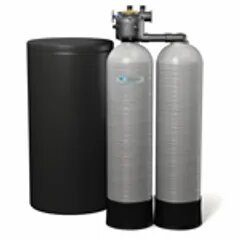
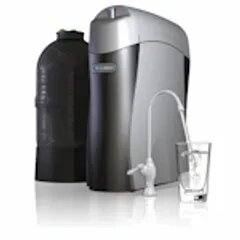
Testing is most effective when combined with treatment. Results often lead homeowners to explore Virginia water conditioning, filtration, or softening to protect plumbing and improve comfort.
If you want to understand how treatment protects modern homes, this guide on water treatment in Richmond, VA explains how proactive solutions prevent long-term damage and support healthier living.
Final Thoughts
Many water-related problems develop quietly, long before visible damage appears. Knowing when to schedule water testing in Richmond, VA gives homeowners control over water quality rather than reacting to costly issues later.
Whether you rely on city water or a private well, proactive testing supports better decisions, safer water, and long-term home protection. To learn more about scheduling professional testing and next-step solutions, visit water testing in Richmond, VA.