
What Is the Best Water Filter for a Home With Hard Water, Odor, or Staining?
Choosing a water filter can feel confusing because every system promises cleaner, better water. But the best choice depends on the problem you are trying to solve. Hard water, odor, staining, sediment, and taste issues do not always come from the same cause. That means one filter may work well for one home and do very little for another.
For homeowners comparing water filters for home use, the first step is to understand the water issue. Hard water usually involves minerals. Orange or brown staining may point to iron. Rotten egg odor may involve sulfur. Chlorine taste is more common with city water. Cloudy or gritty water may involve sediment.
A good filter is not chosen by popularity alone. It should match the water source, test results, plumbing setup, and household needs.
What Water Filter Is the Best?
The best water filter is the one that is designed for your specific water problem. A home with hard water may need a softener. A home with iron staining may need iron filtration. A home with a chlorine taste may benefit from carbon filtration. A home with multiple issues may require a comprehensive system with multiple treatment stages.
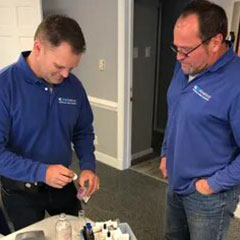
A water filtration system in Richmond, VA, should be selected after testing the water. Testing helps show whether the issue is hardness, iron, manganese, sulfur, sediment, chlorine, bacteria, or another concern.
Without testing, homeowners may choose a filter that improves one symptom but leaves the real problem untouched. For example, a carbon filter may improve taste but will not properly solve hard water scale. A sediment filter may catch particles but will not remove dissolved iron.
Best Filter for Hard Water
Hard water is caused by minerals like calcium and magnesium. These minerals can leave spots on dishes, buildup on faucets, scale inside appliances, soap scum in showers, and a dry feeling on skin or hair.
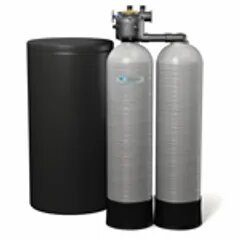
For hard water, a water softener is often the most effective solution. It helps reduce hardness minerals before they move through the home. This can protect plumbing fixtures, improve soap performance, and reduce scale buildup.
Some homeowners use scale reduction systems instead of traditional softeners, depending on their goals and water conditions. The right choice depends on how hard the water is, what appliances are affected, and whether the homeowner wants softening or scale control.
A basic drinking water filter will not fix hard water throughout the home. If the issue affects showers, laundry, appliances, and fixtures, whole-home treatment is usually needed.
Best Filter for Rotten Egg Odor
A rotten egg smell in water is often linked to sulfur or hydrogen sulfide. This odor can make water unpleasant for bathing, cooking, and cleaning. It may show up more strongly in hot water, cold water, or both depending on the source.
The best filter for odor depends on what is causing the smell. Some odor issues can be treated with specialized filtration, oxidation, carbon, or other treatment methods. If the smell is mostly from hot water, the water heater may also need to be checked.
Odor should not be treated with guesswork. A professional water test and system review can help determine whether the issue is coming from the well, plumbing, water heater, or incoming water supply.
Best Filter for Iron Staining
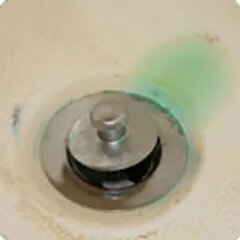
Orange, red, or brown stains on sinks, tubs, toilets, and laundry often point to iron in the water. Iron can also create a metallic taste or discoloration.
Iron usually needs a filter designed for iron reduction. The best option depends on the type and amount of iron present. Some water may contain dissolved iron that looks clear at first but stains after exposure to air. Other water may contain visible particles or rust-colored sediment.
A sediment filter may catch some particles, but it may not solve dissolved iron problems. A water softener may help with small amounts of certain iron in some situations, but it is not always the best primary solution. Proper testing matters.
Best Filter for City Water Taste and Chlorine
City water is treated before it reaches the home, but some homeowners dislike the taste or smell of chlorine. A carbon filter is commonly used for this type of issue.
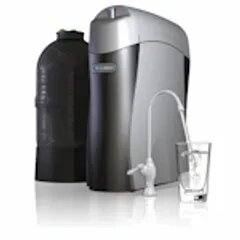
Carbon filtration can improve the taste of drinking water and reduce certain odors. It may be installed at the kitchen sink, refrigerator line, or as part of a whole-home system.
If the main concern is taste, a point-of-use filter may be enough. If the homeowner wants better water throughout the house for bathing, laundry, and fixtures, a whole-home system may be more appropriate.
Best Filter for Sediment or Cloudy Water
Sediment filters help capture particles like sand, dirt, rust, and small debris. They are often used for well water, but they can also help in some city water homes where sediment appears after main repairs, hydrant flushing, or older plumbing disturbance.
Sediment filtration is usually a starting point, not a complete solution. It can protect other equipment and improve clarity, but it will not address dissolved minerals, hardness, odor, or many taste concerns.
If cloudy water continues after sediment filtration, more testing may be needed to identify the cause.
Whole-Home Systems vs. Drinking Water Filters
A whole-home system treats water before it moves through the home. This is usually best when the problem affects showers, laundry, appliances, fixtures, toilets, and multiple faucets. Hard water, iron staining, sulfur odor, and heavy sediment often need whole-home treatment.
A drinking water filter treats water at one specific location. This may be enough when the main concern is taste, odor, or drinking water quality at the kitchen sink.
Many homeowners choose both. A whole-home system can handle larger water quality concerns, while a drinking water filter adds another layer for cooking and drinking.
Why One-Size-Fits-All Filters Fall Short
Water problems are specific. Two homes in the same area can have different needs, especially if one uses city water and another uses a private well. Even neighboring wells can produce different water conditions.
A one-size-fits-all filter may improve something, but it may not solve the issue that matters most. That can lead to frustration and wasted money.
The best water filter for home use should be based on water testing, plumbing conditions, the number of people in the home, water usage, and the homeowner’s goals.
Professional Installation Matters
A good system must be installed correctly. Filtration equipment needs proper sizing, placement, flow rate, drain access when needed, bypass valves, maintenance access, and compatibility with the home’s plumbing.
Poor installation can reduce performance or create leaks, pressure problems, or maintenance issues. A professional can also explain filter changes, maintenance schedules, and what to watch for over time.
A filter is not just a product. It is part of the home’s plumbing system.
Final Thoughts
There is no single best filter for every home. The right choice depends on whether you are dealing with hard water, odor, staining, sediment, chlorine taste, or multiple issues at once.
A water filtration system in Richmond, VA, that homeowners choose should begin with testing and a clear understanding of the problem. Once the water source and concerns are identified, it becomes much easier to choose a system that improves daily water use and supports the home’s plumbing, fixtures, and appliances.