


How Water Filters Work for Well Water vs. City Water in Richmond, VA
Clean, good-tasting water matters in every home, but not every home starts with the same water source. Some Richmond-area homeowners use city water. Others rely on private wells. Both can benefit from filtration, but the concerns are often different.
City water is treated before it reaches the home, but it can still pick up taste, odor, minerals, sediment, or other issues along the way. Well water comes from the ground and is usually the homeowner’s responsibility to test, treat, and maintain. That means the right solution depends on what is actually in the water.
Understanding how water filters in Richmond, VA, work can help you choose a system that fits your water source, concerns, and household needs.
How Water Filters Work
Water filters work by reducing unwanted particles, minerals, chemicals, odors, tastes, or contaminants as water passes through filter media. The exact process depends on the type of filter and the problem it is designed to address.
Some filters capture sediment like sand, dirt, and rust. Others use carbon to reduce chlorine taste, odors, and certain chemicals. Some systems target hardness minerals, iron, sulfur smells, or other water quality concerns. A full water filtration system may combine multiple treatment types to address several issues at once.
The most important step is testing the water first. A filter should be chosen based on the actual water problem, not guesswork. A system that works well for city chlorine taste may not solve iron staining from a well. A basic sediment filter may not fix odor. The right filter depends on the source and the issue.
Well Water vs. City Water: Why the Source Matters
Well water and city water can look similar coming from the faucet, but they often have different treatment needs. City water is managed by a public water provider and is treated before entering the distribution system. Homeowners may still notice chlorine taste, mineral buildup, discoloration from old pipes, or sediment from plumbing work.
Well water is different because it comes from the ground and is not treated by a city utility before entering the home. The water may contain minerals, sediment, iron, manganese, sulfur odor, bacteria, hardness, or other naturally occurring issues depending on the property and local conditions.
This is why two homes in the Richmond area can need very different filtration setups. One may need help with taste and odor. Another may need iron reduction, sediment filtration, softening, or more advanced treatment.
Common City Water Concerns
Many homeowners with city water want filtration because of taste, odor, or peace of mind. Chlorine or disinfectant taste is one of the most common complaints. Even when the water is considered safe, it may not taste or smell the way homeowners prefer.
City water can also travel through long stretches of piping before it reaches the home. Older plumbing, main repairs, pressure changes, or hydrant flushing may cause temporary discoloration or sediment.
A carbon filter may help improve taste and odor. A whole-home system may reduce certain unwanted elements throughout the house, while a point-of-use filter may focus only on drinking water at one faucet.
Common Well Water Concerns
Well water problems are often more specific to the property. Some wells produce water with sediment, iron staining, hard water minerals, sulfur smells, cloudy appearance, or metallic taste. In some cases, the water may need treatment for bacteria or other concerns found through testing.
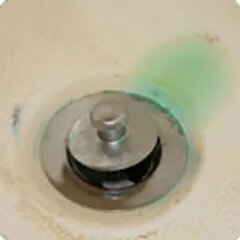
Iron can leave orange or brown stains on sinks, tubs, toilets, laundry, and fixtures. Hard water can leave spots, scale, and buildup on faucets and appliances. Sulfur can create a rotten egg smell that makes water unpleasant to use.
Well water should be tested regularly because conditions can change over time. Heavy rain, drought, nearby land use, aging well components, or plumbing changes may affect water quality.
Sediment Filters
Sediment filters are often used to capture particles like sand, dirt, rust, and small debris. They are common in well water systems, but they can also help in some city water homes.
A sediment filter usually acts as a first line of defense. It can protect other filtration equipment by reducing larger particles before the water moves through additional treatment stages.
If a homeowner notices gritty water, cloudy water, clogged faucet aerators, or sediment in tubs and sinks, sediment filtration may be part of the solution. However, sediment filters do not solve every issue. They will not remove dissolved minerals, odors, or many taste concerns on their own.
Carbon Filters
Carbon filters are commonly used to improve taste and odor. They can help reduce chlorine taste in city water and may also improve certain odor issues depending on the source of the problem.
For city water users, carbon filtration is often one of the most noticeable upgrades because it can make drinking, cooking, showering, and bathing feel more pleasant. It may be installed as a whole-home filter or as a drinking water system.
For well water, carbon may be useful in some situations, but it may not be enough if the water has iron, sulfur, bacteria, or heavy sediment. Those issues may need additional treatment before or along with carbon filtration.
Filters for Hardness, Iron, and Odor
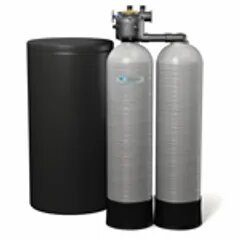
Hard water, iron, and odor often need more targeted treatment. A water softener can help with hardness minerals that cause scale buildup, spots, and soap scum. Iron filters can help reduce staining and metallic taste. Sulfur odor may require a treatment method designed for the specific cause.
This is where a complete water filtration system can be more effective than a basic filter. A home with well water may need sediment filtration, iron treatment, softening, and odor control. A home with city water may need carbon filtration and scale reduction.
The system should match the water test results and the homeowner’s goals.
Whole-Home vs. Point-of-Use Filtration
Whole-home filtration treats water as it enters the house. This can help improve water used for showers, laundry, appliances, toilets, sinks, and drinking, depending on the system. It is often a good choice when the issue affects the whole home, such as odor, staining, sediment, or hard water.
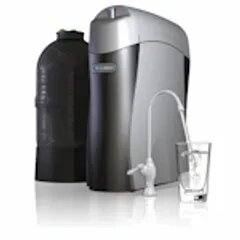
Point-of-use filtration treats water at one location, such as a kitchen sink or refrigerator line. This may be enough if the main concern is the taste of drinking water.
Some homes use both. A whole-home system may handle sediment, hardness, or odor, while a drinking water filter provides additional treatment at the kitchen sink.
Why Testing Comes First
The best filtration plan starts with water testing. Without testing, homeowners may spend money on a system that does not solve the real problem. Water that smells, stains, or tastes bad may have different causes.
Testing helps identify what is in the water and how serious the issue is. It also helps determine whether the home needs basic filtration, softening, iron reduction, odor treatment, or a more advanced system.
For well water, especially, regular testing is important because the homeowner is responsible for water quality. City water users may also benefit from testing if they have concerns about taste, odor, old plumbing, or specific contaminants.
Final Thoughts
Understanding how water filters Richmond, VA homeowners use work starts with knowing the water source. City water and well water can both benefit from filtration, but they often need different solutions.
A water filtration system should be chosen based on testing, water source, household needs, and the specific issue you want to solve. Whether the concern is sediment, chlorine taste, hard water, iron staining, or odor, the right filtration setup can make water more comfortable and practical for daily use.