

What’s Actually in Your Richmond Tap Water? A Local Breakdown Homeowners Should See
If you live in Richmond, you probably turn on your tap every day without thinking twice about what’s coming out of it. It looks clear. It runs fine. Most of the time, it even tastes okay.
But here’s the reality. Just because water is treated and meets safety standards does not mean it is free from issues that affect your home, your appliances, or your daily comfort.
Understanding what’s really in Richmond, VA water can help you make smarter decisions for your home. Not just for drinking, but for everything from showers to laundry.
Let’s break it down in a way that actually makes sense.
How Your Water Gets to Your Home
Your local provider pulls water from natural sources and treats it before sending it through a network of pipes to homes across the area.
That treatment process is important. It removes harmful bacteria and makes the water safe to drink by regulatory standards.
But here’s what most people do not realize. The treatment process is focused on safety, not perfection.
That means certain substances are still present when the water reaches your home. And in some cases, additional elements can be picked up along the way through aging infrastructure or plumbing systems.
What’s Commonly Found in Richmond Tap Water
Even after treatment, there are a few things that tend to show up in residential water that homeowners notice over time.
Chlorine
Chlorine is used to disinfect water and kill bacteria. It does its job well, but it also leaves behind that familiar smell and taste many people notice.
Some homeowners describe it as a pool-like scent, especially when running hot water in the shower.
Sediment and Particles
Over time, small particles like sand, rust, or debris can make their way into your water. This is often due to the pipes that deliver water to your home.
You might notice this as cloudy water or buildup in sinks and tubs.
Hard Minerals
Minerals like calcium and magnesium are naturally present in water. While not harmful, they can cause hard water issues such as buildup on fixtures, spots on dishes, dry skin, and reduced appliance efficiency.
Trace Contaminants
In some cases, trace levels of metals or other substances can be present. These are usually within regulated limits, but they can still impact taste, smell, and long-term use.
Why “Safe” Water Still Causes Problems at Home
A lot of homeowners hear that their water is “safe” and assume that means there is nothing to worry about.
But safety standards are based on minimum requirements, not optimal quality.
That means your water can still leave residue on fixtures, affect the taste of drinking water, cause dryness on skin, and wear down appliances faster.
It is not about whether your water is dangerous. It is about whether it is working against your home without you realizing it.
Signs Your Water Might Need Attention
If you are not sure whether your water is causing issues, here are a few common signs homeowners notice.
Your Water Has a Strong Smell or Taste
If you notice a chemical or metallic taste, it is often linked to chlorine or other elements in the water.
You See Buildup Around Fixtures
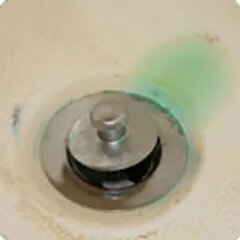
White or chalky residue around faucets and showerheads is a clear sign of mineral content.
Your Skin Feels Dry After Showering
Water quality can impact how your skin and hair feel after daily use.
Your Appliances Are Not Lasting as Long
Dishwashers, water heaters, and washing machines all rely on clean water to operate efficiently. Poor water quality can shorten their lifespan.
Why Basic Filters Only Solve Part of the Problem
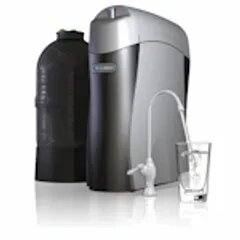
A lot of people start with small, store-bought filters. These can help with taste and odor, especially for drinking water.
But they usually only treat one source, like a kitchen sink or a pitcher.
The rest of your home is still using untreated water.
That means your showers, laundry, and appliances are still exposed to the same issues.
A Smarter Way to Improve Your Water
Instead of chasing small fixes, many homeowners choose to address the problem at the source.
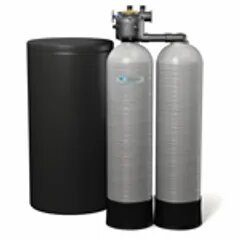
Whole-home water systems are designed to treat water as it enters your house. That means every faucet, appliance, and shower benefits from cleaner water.
This approach can help reduce buildup, improve taste and smell, protect plumbing and appliances, and create a better overall experience in your home.
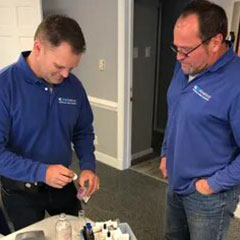
If you want to understand what is actually in your water and what solution makes sense, it starts with testing.
You can learn more by working with a trusted water company in Richmond, VA that can evaluate your home and recommend the right solution.
Why Local Knowledge Matters
Water quality is not the same everywhere. What affects one city might not be an issue in another.
That is why working with a team that understands the local water supply makes a difference.
Local professionals can help you identify exactly what is in your water and recommend a solution based on your home’s needs.
Not a one-size-fits-all system, but something tailored to your situation.
Final Thoughts
Most homeowners do not think about their water until something feels off.
A strange smell. Spots on dishes. Dry skin that does not go away.
But those small signs are often your home telling you something is not quite right.
Taking the time to understand your water is one of the simplest ways to improve your daily life at home.
Cleaner water does not just mean better drinking water. It means better showers, longer-lasting appliances, and fewer headaches over time.
If you have ever questioned what is coming out of your tap, you are not alone. And more importantly, you are not stuck with it.