
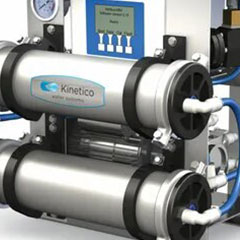
Water Filters Richmond, VA: Matching the Right Filtration to Your Home’s Contaminants
Not all water problems are the same, and neither are water filters. Many homeowners install filtration systems hoping to solve taste or clarity issues, only to find that the problem persists. That’s because effective filtration depends on identifying the specific contaminants present in your water. For homes dealing with varying water quality, choosing the right water filters Richmond, VA residents rely on requires more than a one-size-fits-all approach.
Understanding what’s in your water—and how different filters address different issues—helps ensure your system delivers real results.
Why Filtration Needs Vary from Home to Home
Water quality can change dramatically from one neighborhood to the next. Differences in plumbing age, water source, and seasonal conditions all affect water in Richmond, VA. City water may contain chlorine or sediment, while well water may carry bacteria, iron, or nitrates.
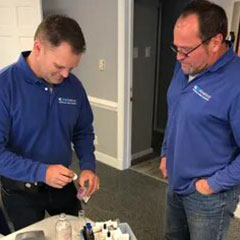
Because of this variability, professional water treatment systems Richmond providers always start with testing rather than guessing. Filtration that works for one home may be ineffective for another.
Common Contaminants Found in Richmond Area Water
Before selecting a filtration system, it’s important to understand the most common contaminants found in local water supplies.
- Chlorine and chloramine – Used for disinfection, often responsible for unpleasant taste and odor
- Sediment and rust – Caused by aging infrastructure or disturbed plumbing
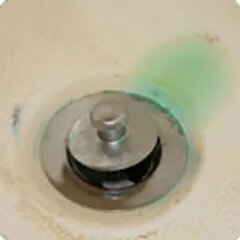
- Iron and manganese – Common in well water, leading to staining and metallic taste
- Lead and copper – May leach from older pipes
- Nitrates and bacteria – Frequently detected in private wells
Identifying these issues through water testing in Richmond, VA ensures filtration targets the correct problem.
How Different Water Filters Address Specific Issues
Not all filters remove the same contaminants. Choosing the right filter depends on what testing reveals.
Carbon Filtration
Carbon filters are effective at removing chlorine, organic compounds, and unpleasant tastes or odors. Many homeowners choose carbon systems to improve drinking water quality without altering mineral content.
Sediment Filtration
Sediment filters capture sand, dirt, rust, and debris before they enter household plumbing. These filters are especially useful for protecting appliances and fixtures from physical damage.
Reverse Osmosis Filtration
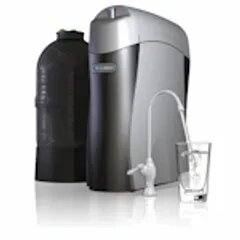
Reverse osmosis systems remove a wide range of contaminants, including lead, nitrates, and arsenic. These systems are often installed at the kitchen sink for drinking and cooking water.
Whole-Home Filtration
Whole-home systems treat water as it enters the house, protecting every faucet and appliance. These are often paired with conditioning systems for comprehensive water treatment in Richmond, VA.
The Role of Water Conditioning in Filtration Performance
Filtration alone does not address mineral hardness. In homes with hard water, filters may clog faster or become less effective over time. That’s why Virginia water conditioning is often recommended alongside filtration.
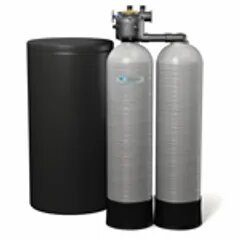
A properly selected water softener Richmond homeowners rely on reduces mineral buildup, allowing filters to perform efficiently and last longer. Together, conditioning and filtration provide balanced water quality improvement.
Why Water Testing Comes First
Installing filters without testing often leads to disappointment. Water testing in Richmond, VA identifies the contaminants that need to be addressed and prevents unnecessary spending on ineffective systems.
If you’re unsure when testing should be scheduled, this guide on water testing in Richmond, VA explains the most commonly missed triggers homeowners overlook.
Filtration for Well Water Homes
Homes using private wells require extra care. Well water testing in Virginia often reveals contaminants that municipal systems don’t encounter. Bacteria, iron, and nitrates are common issues that require specialized filtration solutions.
Well water filtration is never one-size-fits-all. Results must guide system selection to ensure safety and reliability.
Protecting Appliances with the Right Filtration Strategy
Unfiltered sediment and minerals can damage appliances over time. Washing machines, dishwashers, and water heaters all suffer when debris and scale accumulate internally.
By installing properly selected water filters in Richmond, VA, homeowners reduce appliance wear, improve efficiency, and extend equipment lifespan. Filtration also minimizes maintenance costs and unexpected breakdowns.
Filtration as Part of a Complete Water Treatment Plan
Water filters are most effective when integrated into a broader treatment strategy. Combining filtration with water conditioning in Richmond, VA, ensures both contaminants and minerals are addressed.
This integrated approach improves taste, protects plumbing, and supports healthier daily water use. For a deeper look at how conditioning prevents damage, this guide on water conditioning in Richmond, VA explains its role in long-term plumbing protection.
Choosing the Right System for Your Home
Selecting the right filtration system requires professional guidance. Factors such as household size, water usage, plumbing layout, and testing results all influence system performance.
Local experts familiar with water in Richmond, VA understand regional water challenges and recommend systems designed for long-term reliability.
Final Thoughts
Installing the right filtration system starts with understanding what’s in your water. Not all contaminants are visible, and not all filters solve the same problems. Matching filtration to testing results ensures cleaner water, better appliance performance, and long-term protection.
Whether you rely on city water or a private well, professional water filters in Richmond, VA are most effective when paired with testing and conditioning. To explore filtration options tailored to local water conditions, learn more about water filters in Richmond, VA.