
Why Your Tap Water Tastes Metallic
You turn on the faucet, fill a glass of water, take a sip—and something tastes off. Instead of fresh, clean water, there’s a sharp metallic flavor. Many homeowners notice this at some point and immediately wonder if something is wrong.
A metallic taste in tap water is actually more common than people think. It can come from several different sources, and in many cases the cause is relatively easy to identify and correct. Sometimes it’s related to minerals that naturally occur in groundwater. Other times it may come from plumbing or seasonal changes in the water supply.
The good news is that metallic-tasting water rarely appears without a reason. Once you understand what might be causing it, you can take steps to improve both the taste and quality of your household water.
Minerals Naturally Found in Water
One of the most common reasons water develops a metallic taste is the presence of natural minerals. As water moves through soil and rock underground, it picks up small amounts of minerals along the way.
Iron and manganese are two minerals that frequently contribute to that metallic flavor. They are naturally present in many groundwater sources, especially in areas where homes rely on wells. When these minerals dissolve into water, they can affect both taste and smell.
Even when the levels are not harmful, the flavor can still be noticeable. Some homeowners describe it as tasting like metal or pennies. Others notice a slightly bitter or sharp aftertaste when drinking tap water.
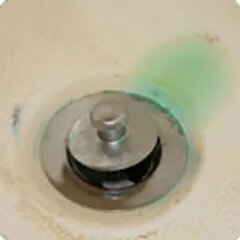
Minerals can also leave other signs around the home. Rust-colored stains in sinks, orange marks on laundry, or buildup on fixtures may all point to higher mineral content in the water.
Older Plumbing Can Affect Water Taste
Sometimes the issue isn’t the water itself but the plumbing that delivers it. Older pipes can slowly release small amounts of metal into the water supply. This is especially common in homes with aging plumbing systems.
Copper pipes, for example, can influence the flavor of water if corrosion begins to develop. Galvanized pipes may also contribute small traces of metal over time. When water sits in pipes overnight or during periods of low use, it can pick up these metallic elements.
If the taste disappears after letting the water run for a few seconds, the plumbing could be part of the problem. Fresh water moving through the pipes may dilute the metallic flavor that built up while the water sat still.
Although plumbing-related issues don’t always indicate a serious concern, they can still affect how water tastes and feels when used throughout the home.
Seasonal Changes in Water Conditions
Many homeowners are surprised to learn that water quality can shift with the seasons. Weather patterns, rainfall, and groundwater movement all influence how minerals and other elements move through the environment.
During heavy rain or snowmelt, water travels through soil more quickly than usual. This movement can introduce additional minerals into groundwater sources. In areas with wells, these seasonal shifts can slightly change the taste or balance of household water.
Municipal water systems can also experience small seasonal adjustments. Water treatment facilities may adjust their processes throughout the year depending on water levels and environmental conditions.
These natural changes don’t always create major problems, but they can sometimes influence the flavor of tap water.
Signs That Minerals May Be Affecting Your Water
A metallic taste is often the first clue something has changed in the water supply. However, there are usually other small indicators that appear around the house.
You may notice:
- Stains forming in sinks or bathtubs
- White or orange buildup on faucets
- Cloudy water that clears after sitting
- A metallic smell when running hot water
- Spots appearing on dishes or glassware
These signs often suggest mineral levels may be higher than normal. While these minerals are commonly found in groundwater, too much can affect everyday water use.
Many homeowners also notice that soap becomes harder to rinse off or that laundry looks duller than usual when mineral levels increase.
Why Taste Matters More Than You Think
It might seem like a small inconvenience, but unpleasant-tasting water can affect daily life more than people realize.
When water tastes metallic, many families stop drinking it altogether. They may switch to bottled water or rely on other beverages instead. Over time, this can increase household costs and reduce water consumption.
Taste also plays a role in cooking. Metallic water can affect the flavor of coffee, tea, soups, and pasta. Even small changes in water quality can influence the taste of meals prepared at home.
In addition, mineral buildup from certain water conditions may gradually affect appliances such as water heaters, washing machines, and dishwashers. Addressing water quality early can help protect both your home and your daily routines.
Understanding What’s in Your Water
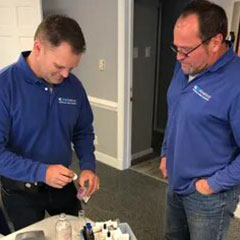
The only reliable way to understand why water tastes metallic is to examine the water itself. A professional evaluation can identify the minerals or conditions that may be contributing to the taste.
Testing provides a clear picture of what’s happening in the water supply. Instead of guessing at the cause, homeowners receive accurate information about mineral levels and water balance.
Once the source of the issue is identified, it becomes much easier to determine the most effective solution.
Improving Water Taste at Home
Many homeowners are relieved to learn that improving water quality often requires straightforward solutions. Systems designed to treat household water can reduce unwanted minerals and improve taste at the same time.
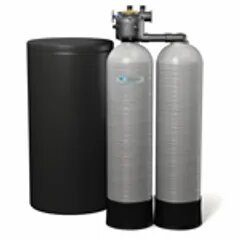
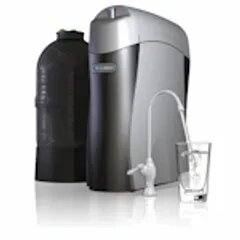
Filtration systems are commonly used to remove impurities that affect flavor and clarity. Water softening systems can help reduce mineral buildup that contributes to scale and metallic taste. In some cases, drinking water purification systems may also improve taste for beverages and cooking.
If the taste in your water doesn’t seem right, it may be worth exploring professional water filtration Richmond solutions to help identify what’s causing the issue and improve overall water quality.
Local Water Knowledge Makes a Difference
Water conditions can vary greatly from one region to another. Soil composition, groundwater movement, and local infrastructure all influence what ends up in household water.
Because of this, working with professionals who understand the water characteristics of the Richmond area can be especially helpful. Local experience allows specialists to recognize common mineral patterns and recommend solutions that work well for homes in the region.
This local understanding often leads to faster diagnosis and more effective improvements.
Restoring Clean, Fresh-Tasting Water
No one wants to question the quality of the water they drink every day. Fortunately, a metallic taste in tap water usually has a clear cause and a practical solution.
By identifying the source of the flavor—whether it’s minerals, plumbing, or seasonal water changes—homeowners can take steps to restore clean, refreshing water throughout the home.
With the right guidance and the proper treatment system, it’s possible to enjoy water that tastes just as good as it should. Clean, fresh water isn’t just about convenience—it’s an important part of maintaining a comfortable and healthy home.