

Is Water Filtration Necessary for Older Homes in Richmond, VA?
Older homes can have a lot of charm, but the plumbing behind the walls may tell a different story. If your home has aging pipes, hard water buildup, strange taste, odor, or sediment, water filtration systems in Richmond, VA, may be worth considering. Water filtration is not always required for every home, but older properties often have more reasons to test and treat the water.
So, is water filtration necessary? The honest answer is that it depends on the condition of the water, the plumbing, and the concerns inside the home. A water test is the best starting point because it shows what is actually coming through the tap instead of relying on guesswork.
Why Older Homes Often Have More Water Concerns
Older homes in Richmond can have plumbing that has been repaired, replaced, added onto, or partially updated over time. That means the water may pass through different pipe materials before it reaches the faucet.
Even when the water supply itself meets local standards, the home’s plumbing can still affect what comes out of the tap. Pipes can collect mineral buildup, corrosion, sediment, or small particles over the years. Older fixtures and water heaters may also add to the problem.
Some signs homeowners notice include:
- Water that tastes metallic
- Brown, yellow, or cloudy water
- Grit or sediment in sinks and tubs
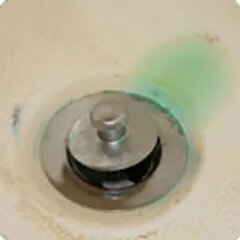
- Rust-colored stains around drains
- White buildup on faucets
- Chlorine smell or taste
- Rotten egg odor
- Dry skin after bathing
- Laundry that feels stiff or looks dull
- Frequent buildup in coffee makers or appliances
These signs do not automatically mean the water is unsafe, but they do mean the water should be checked.
Is Water Filtration Necessary for Every Older Home?
Not always. Some older homes have updated plumbing and water that tests well. Others may have hidden issues that are easy to miss until they become a daily frustration.
Water filtration becomes more necessary when there are clear signs of water quality problems. If the water smells odd, tastes unpleasant, leaves residue, stains fixtures, or carries sediment, a home water filtration system can help improve daily use.
The key is choosing a system based on the actual issue. A basic filter may help with taste, but it may not solve sediment, hard water, iron, or other concerns. That is why water testing matters before buying equipment.
How Aging Plumbing Can Affect Tap Water
Older plumbing does not always fail all at once. Many water issues build slowly. Pipes can collect scale, rust, or mineral deposits inside. When water moves through those lines, small particles may break loose and show up at the tap.
Aging plumbing may contribute to:
- Metallic taste
- Discolored water
- Sediment
- Low water clarity
- Staining
- Odor changes
- Mineral buildup
In some homes, the problem is not the city water supply. It is what happens after the water enters the house.
This is especially important for homeowners who have not had their plumbing inspected in years or who recently bought an older home and do not know the full repair history.
Water Filtration and Sediment Problems
Sediment is one of the most common concerns in older homes. It may look like sand, dirt, rust flakes, or tiny floating particles. Sometimes it settles at the bottom of a glass. Other times it appears in tubs, toilets, showerheads, or washing machine screens.
Sediment can come from several places, including older pipes, water main work, well water, or mineral buildup. A filtration system can help reduce the particles before they move through the home.
Reducing sediment may help protect:
- Faucets
- Showerheads
- Washing machines
- Dishwashers
- Water heaters
- Ice makers
- Refrigerator water lines
- Plumbing fixtures
For older homes, sediment filtration can be especially helpful because it treats the issue before particles keep traveling through the system.
Water Filtration and Bad Taste
Bad-tasting tap water is another reason homeowners look into filtration. Some water tastes like chlorine. Some taste metallic. Some taste earthy or stale.
Taste issues can come from the source water, disinfectants, minerals, or plumbing. Carbon filtration is often used to reduce chlorine taste and odor, while other treatment methods may be needed for iron, sediment, or mineral-related problems.
Better-tasting water can make a difference in:
- Drinking water
- Coffee
- Tea
- Ice
- Cooking
- Soups
- Sauces
- Baby formula preparation
When the water tastes better, families usually drink more of it and rely less on bottled water.
Water Filtration and Odor
Odor can make clean-looking water feel unpleasant. In older homes, smells may come from plumbing, water heaters, or the water itself.
Common odors include:
- Chlorine smell
- Rotten egg smell
- Musty smell
- Metallic smell
- Earthy smell
A rotten egg smell may point to sulfur-related issues. A strong chlorine smell may come from disinfectants. A musty odor may require further testing to understand the source.
The right filtration setup depends on what is causing the smell. This is another reason testing is more reliable than guessing.
Why a Whole-Home System May Make Sense
Some homeowners try a pitcher filter or refrigerator filter first. Those can help with drinking water, but they only treat water at one location. If the problem affects showers, laundry, sinks, appliances, and fixtures, a whole-home option may make more sense.
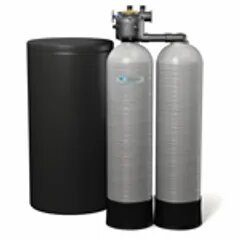
A whole-home system treats water as it enters the house. That means the water used throughout the home is addressed before it reaches the taps.
This may be helpful if:
- Multiple faucets have the same problem
- Water smells bad in the shower
- Sediment appears in more than one place
- Fixtures stain quickly
- Appliances collect buildup
- Laundry feels rough
- Skin feels dry after bathing
- The home has older plumbing
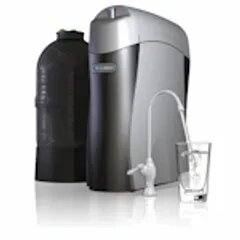
A point-of-use filter may still be useful for drinking water, but it may not solve problems throughout the house.
Water Testing Should Come Before Filtration
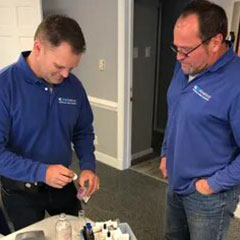
Before choosing any system, start with a water test. Older homes can have more than one issue happening at the same time. For example, a homeowner may think they only have bad taste, but testing may also show hardness minerals, sediment, or iron.
Testing helps answer important questions:
- What is causing the taste?
- Is sediment present?
- Are minerals contributing to buildup?
- Is the issue related to plumbing?
- Is odor coming from sulfur, chlorine, or another source?
- Does the home need one treatment method or several?
A proper test helps match the solution to the problem. It also helps avoid spending money on a filter that does not address the real issue.
Signs an Older Richmond Home May Need Filtration
If you live in an older home, pay attention to what the water is doing over time. Small changes can be useful clues.
You may want to consider testing and filtration if you notice:
- The water tastes different than it used to
- Water smells bad from one or more fixtures
- Sediment appears after running the tap
- Faucets clog often
- Showerheads build up quickly
- Clothes feel stiff after washing
- Dishes come out spotty
- The water looks cloudy
- Stains keep returning around sinks or tubs
- You recently moved into an older home
These issues can affect comfort, cleanliness, and appliance performance. They can also make it harder to trust the water you use every day.
FAQs About Water Filtration for Older Homes
Is water filtration necessary for older homes?
It may be necessary if the home has taste, odor, sediment, staining, or buildup issues. The best way to know is to test the water and check the plumbing’s condition.
Can older pipes affect water quality?
Yes. Older pipes can contribute rust, sediment, metallic taste, discoloration, or buildup. Even if the water supply is treated before it reaches the home, plumbing can still affect the water at the tap.
Is a home water filtration system better than a pitcher filter?
A pitcher filter may help with drinking water, but it only treats a small amount at one location. A whole-home system can treat water before it reaches sinks, showers, laundry, and appliances.
What should I do before buying a filtration system?
Start with water testing. It helps identify what is in the water and what type of treatment is actually needed.
Can filtration help with bad taste and odor?
Yes, the right system can reduce many common taste and odor issues. The exact solution depends on whether the cause is chlorine, minerals, sulfur, sediment, or plumbing-related.
Final Thoughts
Older homes in Richmond, VA deserve a closer look when it comes to water quality. Age alone does not mean the water is bad, but older plumbing, sediment, mineral buildup, and fixture stains can all point to issues worth testing.
For homeowners asking whether filtration is necessary, the best answer is simple: test first, then choose the right system. A well-matched filtration setup can improve taste, reduce odor, lower sediment concerns, and make daily water use feel cleaner and more dependable.