
How Does Water Purification Work When Your Tap Water Has Taste, Odor, or Sediment Issues?
When tap water tastes strange, smells unpleasant, or carries visible particles, it usually means something is making its way through your home’s water supply. How does water purification work in this situation? In simple terms, it uses the right combination of filtration, treatment, and conditioning to reduce unwanted contaminants before the water reaches your glass, shower, laundry, or appliances.
A good water purification system is not one-size-fits-all. The right setup depends on what is actually in the water. Some homes deal with chlorine taste. Others notice rotten egg odors, cloudy water, rust-colored staining, gritty sediment, or mineral buildup. Each issue points to a different cause, which is why water testing is usually the first smart step.
Why Tap Water Can Have Taste, Odor, or Sediment Problems
Tap water can look clear and still have issues. Water travels through treatment plants, underground pipes, plumbing lines, fixtures, and sometimes private wells before it reaches the tap. Along the way, it can pick up minerals, organic matter, disinfectants, dirt, rust, or other particles.
Common signs homeowners notice include:
- A chlorine taste or swimming-pool smell
- A metallic taste
- A musty or earthy odor
- Rotten egg smell
- Cloudy or murky water
- Sand, dirt, or grit in sinks and tubs
- Orange, brown, or reddish stains
- White scale on faucets and shower doors
- Dry skin or dull hair after bathing
These problems do not always mean the water is unsafe, but they do mean it should be checked. Taste, odor, and sediment are often warning signs that the water could benefit from treatment.
How Does Water Purification Work?
How water purification works starts with identifying the problem. Once the water is tested, the system can be matched to the exact concern. Water purification may remove, reduce, or neutralize different substances through several treatment methods.
Most systems work through one or more of these steps:
- Screening out larger particles
- Capturing smaller contaminants
- Reducing odors and bad taste
- Treating minerals or metals
- Improving water clarity
- Protecting pipes, fixtures, and appliances
For example, sediment filters help trap sand, dirt, and rust particles. Carbon filters are commonly used to reduce chlorine taste and odor. Other systems may be designed to address iron, sulfur, hardness minerals, or more specific contaminants.
The goal is not just “better tasting water.” The goal is water that fits the needs of the home.
What Happens During the Filtration Process?
Filtration is one of the most common parts of purification. Water passes through a filter media that catches or reduces unwanted particles. The type of filter matters because different materials are built for different jobs.
Sediment Filtration
Sediment filtration targets visible or gritty particles. This can include:
- Sand
- Dirt
- Silt
- Rust flakes
- Pipe debris
If a home has cloudy water, grit in the tub, or particles at the bottom of a glass, sediment filtration may be part of the solution. It can also help protect other treatment equipment by keeping larger debris from reaching it.
Carbon Filtration
Carbon filtration is often used when water has a bad taste or odor. Activated carbon can reduce chlorine, some organic compounds, and certain smell-related issues. This is why many pitcher filters and refrigerator filters use carbon.
A whole-home carbon filter goes further by treating water before it reaches multiple taps. That means the water used for cooking, drinking, bathing, and laundry can all benefit.
Specialty Filtration
Some water problems need more targeted treatment. Iron, sulfur, and certain minerals may require a specific system designed for that issue. This is common in homes that have well water or older plumbing.
A strong smell, reddish staining, or repeated buildup around fixtures may call for specialty filtration instead of a basic filter.
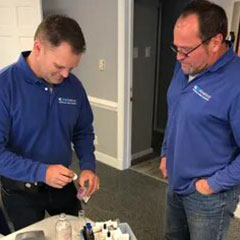
Why Water Testing Matters Before Choosing a System
Guessing is where many homeowners go wrong. Two homes can have the same complaint but totally different causes. One family may describe their water as metallic because of iron. Another may have a similar taste because of plumbing corrosion or mineral content.
Testing helps answer questions like:
- Is the issue coming from sediment?
- Is chlorine causing the taste or smell?
- Is hard water contributing to buildup?
- Is iron creating staining?
- Is sulfur causing rotten egg odor?
- Are there multiple problems happening at once?
Once the water is tested, it becomes much easier to choose the right water purification system. Without testing, a homeowner might buy a filter that improves one issue but ignores the real problem.
Water Purification for Bad Taste
Bad taste is one of the most common reasons people look into water treatment. Tap water may taste like chlorine, metal, dirt, or minerals. In some homes, the taste is mild. In others, it is strong enough that people stop drinking from the tap altogether.
Purification can help by reducing the substances that affect flavor. Carbon filtration is often used for chlorine-related taste. Other filter types may be needed when the taste comes from minerals, iron, or plumbing-related particles.
Cleaner-tasting water can make a noticeable difference in:
- Drinking water
- Coffee and tea
- Ice cubes
- Cooking
- Soups and sauces
- Baby formula preparation
When water tastes better, families are often more likely to drink it.
Water Purification for Odor Problems
Water odor can be frustrating because it often makes the entire home feel less clean. A rotten egg smell is commonly linked to sulfur-related issues. A bleach smell may come from disinfectants. Musty or earthy odors can have several causes, depending on the source water.
The right purification setup depends on the odor source. Some smells are handled through carbon filtration. Others may need oxidation, specialty filtration, or a system designed for well water treatment.
Odor problems should not be ignored, especially when the smell appears suddenly or only happens with hot water. That can help narrow down whether the issue is in the water supply, the plumbing, or the water heater.
Water Purification for Sediment
Sediment can make water look dirty, cloudy, or gritty. It may show up in sinks, toilets, tubs, washing machines, or ice makers. Even small particles can cause problems over time because they can collect inside fixtures and appliances.
A sediment filter can help reduce the particles entering the home. This may improve water clarity and help protect:
- Faucets
- Showerheads
- Washing machines
- Dishwashers
- Water heaters
- Ice makers
- Other water-using appliances
For homes with recurring sediment, a whole-home approach is often more useful than treating just one faucet.
Whole-Home Systems vs. Point-of-Use Filters
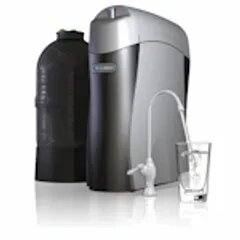
Point-of-use filters treat water at one location, such as a kitchen sink or refrigerator. These can help with drinking water, but they do not treat water used throughout the rest of the home.
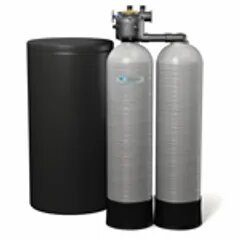
Whole-home systems treat water as it enters the house. This helps improve water quality at showers, tubs, laundry rooms, bathrooms, and kitchen fixtures.
A whole-home system may be the better option when:
- Multiple faucets have the same issue
- Water smells bad in the shower
- Sediment appears in several fixtures
- Hard water buildup is common
- Laundry feels stiff or dull
- Appliances are affected by water quality
A point-of-use filter may still be useful, but it may not solve a whole-home water concern.
Signs You May Need a Water Purification System
Homeowners may want to consider testing and treatment if they notice:
- Tap water tastes unpleasant
- Water smells like chlorine, sulfur, metal, or dirt
- Sediment appears in sinks or tubs
- Water looks cloudy
- Fixtures stain quickly
- Appliances build up scale
- Skin feels dry after showers
- Laundry feels rough or looks faded
- The home uses well water
- The water quality changes suddenly
These signs do not always point to a major issue, but they are worth checking.
FAQs About Water Purification
How does water purification work in a home?
It works by passing water through treatment equipment that reduces specific unwanted substances. The exact process depends on the water test results and the issue being treated.
Can water purification remove bad smells?
Yes, many odor problems can be reduced with the right system. The best solution depends on whether the smell comes from chlorine, sulfur, organic matter, plumbing, or another source.
Does a water purification system help with sediment?
Yes, sediment filtration is designed to reduce particles like sand, dirt, silt, and rust. This can improve water clarity and help protect fixtures and appliances.
Is water testing needed first?
Yes, testing is the best way to know what is actually causing the problem. It helps avoid choosing a system that does not match the water issue.
Is whole-home purification better than a sink filter?
It depends on the problem. A sink filter may help drinking water, but a whole-home system is usually better when taste, odor, sediment, or buildup affects several areas of the house.
Final Thoughts
Taste, odor, and sediment problems can make daily water use frustrating. The good news is that these issues can often be improved once the cause is clear. How water purification works is really about matching the right treatment method to the specific water problem in the home.
For homeowners dealing with unpleasant tap water, the best first step is simple: test the water, understand the source of the issue, and choose a system built for that need. That approach leads to cleaner, clearer, better-tasting water without guessing.