
Is Your Water Safe? Signs It’s Time for a Richmond Water Quality Assessment
Water is something we tend to take for granted—until something smells, tastes, or looks off. In Richmond, VA, where aging infrastructure and naturally occurring contaminants can affect water sources, asking “Is my water safe?” is more than just a passing thought. It’s a health and home investment question.
If you’ve never had your water tested by professionals, it might be time to pay attention. Here’s what to watch for, why it matters, and how water testing in Richmond, VA plays a critical role in protecting your home and family.
Why Water Testing Is So Important in Richmond
Richmond’s water is regulated and generally considered safe, but “safe” is not the same for every household. Water may leave the treatment facility clean, but it can pick up contaminants through old pipes, plumbing corrosion, or private well systems.
Testing your water gives you a clear snapshot of what you’re really drinking, bathing in, and cooking with. It’s not about guesswork—it’s about having data. That data can help guide decisions about treatment, filtration, and overall water safety.
Sign #1: Your Water Tastes or Smells Strange
If you pour a glass of water and something smells “off,” trust your instincts. Common odors include:
- Chlorine or bleach-like smells
- Rotten egg scent (sulfur)
- Metallic taste
- Musty or earthy tones
These could point to everything from water treatment chemicals to bacteria, decaying organic matter, or heavy metals. You won’t know exactly what’s causing it until your water is professionally tested. If your nose or tongue picks up something unusual, don’t ignore it.
Sign #2: Discoloration or Cloudy Water
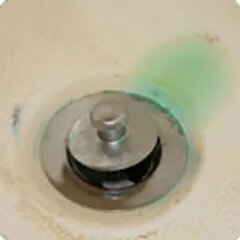
Clear water is the standard. If your water looks cloudy, rusty, or discolored—even if it clears after a moment—it’s worth having it looked at.
Common causes include:
- Iron or manganese buildup
- Sediment in well water
- Aging pipes leaching rust or other metals
While some of these issues may not be immediately hazardous, they could damage your appliances or stain your sinks. In more serious cases, they could indicate harmful levels of contamination. Water testing will help isolate the cause and recommend the right solution.
Sign #3: Hard Water Build-Up on Fixtures
White spots on your faucets? Soap that won’t lather well? These are signs of hard water, a common issue in Richmond and many parts of Virginia. Hard water isn’t usually dangerous to your health, but it can:
- Shorten appliance life
- Cause mineral buildup in pipes
- Irritate skin and dry out hair
- Reduce the efficiency of soaps and detergents
A water quality assessment will measure the hardness level and determine whether a softening system or filtration is needed.
Sign #4: You Have a Private Well
If your home uses well water, regular water testing is essential, not optional. Unlike city water, private wells aren’t regulated. That means:
- No automatic testing or treatment
- Higher risk of bacteria, nitrates, or pesticides
- Vulnerability to nearby land use changes, flooding, or contamination
At minimum, well water should be tested once a year by professionals—but more frequently if you notice changes in taste, smell, or clarity. Don’t leave your health to chance.
Sign #5: Someone in the Home Has Health Concerns
If someone in your home is immunocompromised, pregnant, a young child, or dealing with chronic illness, water quality becomes even more critical. Contaminants that may not bother a healthy adult could pose serious risks to others.
Common concerns include:
- Lead from pipes or solder
- Nitrates (particularly harmful to infants)
- Microbial contaminants
- Volatile organic compounds (VOCs) from industrial or agricultural runoff
Professionally conducted water testing gives peace of mind and ensures your water supports—not harms—your family’s health.
Sign #6: Your Plumbing Is Old
Richmond is a city with charm, history, and unfortunately—older homes. That often means older pipes. Homes built before 1986 may still have plumbing that includes lead solder or other outdated materials.
Even if your water source is treated and monitored, aging pipes inside your home could still be a problem. Water testing helps detect traces of lead, copper, or other metals that could be leaching into your water supply over time.
Sign #7: You Just Moved In
New home, new water? Always test. Whether you’re connected to municipal water or have a well, a water test provides a clean slate and a baseline for future reference.
Think of it like a home inspection—except it’s for what you’re drinking, cooking with, and showering in. It’s a one-time step that can prevent years of hidden problems.
What Happens During a Water Quality Assessment?
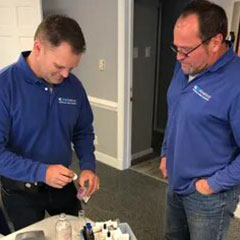
A professional water quality assessment isn’t complicated—but it is thorough. Technicians typically:
- Take samples directly from your tap or source
- Test for contaminants such as bacteria, lead, nitrates, hardness, chlorine, pH levels, and more
- Interpret the results and provide solutions tailored to your home’s specific water profile
It’s not a one-size-fits-all approach. That’s why working with local water experts familiar with Richmond’s water conditions is so important. They’ll know what’s common in the area—and what’s not.
Don’t Wait for a Problem to Start Testing
You don’t need to wait for smelly water or brown stains to take action. Water problems often develop slowly and invisibly. Testing is the only reliable way to know what’s going on behind the scenes.
Just because your water looks clean doesn’t mean it is. And just because you’ve lived with it for years doesn’t mean it’s safe.
Conclusion
If you’ve noticed odd tastes, strange smells, discoloration, or if you rely on well water or live in an older home—your water could be trying to tell you something. The only way to know for sure is to have it tested by a trusted local expert.
Water testing in Richmond, VA is more than a box to check. It’s a smart move for your health, your home, and your peace of mind.
Advanced Water Systems – Kinetico Richmond offers expert, professional water testing that gives you real answers and tailored solutions. When it comes to your water, don’t guess—test.