
Water Treatment Systems in Richmond: How to Choose Based on Home Size and Water Usage
Choosing a water treatment system isn’t just about improving taste or removing a specific contaminant. It’s about ensuring the system is properly matched to how your household actually uses water. Many homeowners install treatment systems that are undersized, oversized, or poorly matched to their needs, which leads to inconsistent performance, unnecessary maintenance, or wasted money. Understanding how water treatment systems Richmond homes rely on should be selected based on home size and water usage is critical for long-term success.
When a system is correctly sized and configured, it provides reliable water quality, protects plumbing, and supports daily household demands without interruption.
Why Home Size Plays a Major Role in System Selection
Home size directly affects water demand. A two-person household in a small home uses significantly less water than a family of five in a multi-bathroom house. Every shower, load of laundry, dishwasher cycle, and outdoor water use contributes to the total volume of water that must be treated.
If a treatment system is too small for the home, it may not process enough water during peak usage. This allows untreated water to pass through, reducing effectiveness. Oversized systems, while seemingly safer, can increase upfront costs and operate inefficiently. This is why professional water treatment Richmond, VA recommendations always factor in home size from the start.
Understanding Daily Water Usage Patterns
Beyond square footage and number of occupants, daily habits have a significant impact on water demand. Two homes with the same number of residents may have very different usage patterns.
Factors that increase water usage include:
- Multiple bathrooms in use at the same time
- Frequent laundry loads
- Long or frequent showers
- High-efficiency appliances that still rely on consistent water flow
- Irrigation systems connected to household water
Accounting for these habits ensures water treatment systems in Richmond are designed to perform during peak demand rather than average usage.
Why Water Testing Is the Foundation of Proper System Sizing
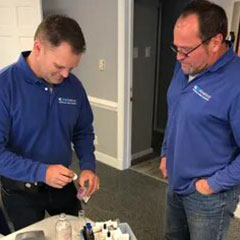
Before choosing any system, water testing in Richmond, VA is essential. Testing identifies hardness levels, mineral composition, sediment presence, and potential contaminants that affect system design and capacity.
For homes using private wells, testing is even more important. As explained in this guide on well water testing in Virginia, wells can contain bacteria, nitrates, iron, or metals that require specialized treatment solutions. Without testing, system selection becomes guesswork.
Accurate testing ensures that system sizing and treatment type are based on real data rather than assumptions.
Different Types of Water Treatment Systems and Their Capacity Limits
Not all water treatment systems handle the same volume or address the same issues. Understanding system types helps homeowners make informed decisions.
Whole-Home Filtration Systems
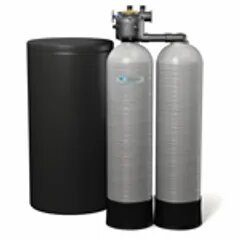
Whole-home filtration systems treat water as it enters the house. These systems must be sized to handle peak flow rates so every faucet receives treated water, even when multiple fixtures are in use.
Conditioning and Softening Systems
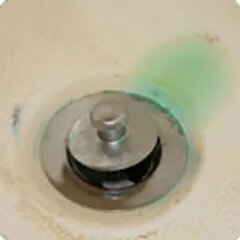
Homes with hard water benefit from conditioning or softening. A water softener Richmond homeowners rely on must be sized based on both water hardness and daily usage. Undersized softeners regenerate too frequently and fail to prevent scale buildup.
Point-of-Use Systems
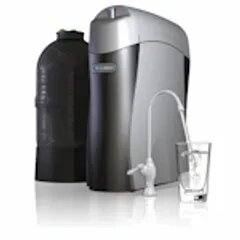
Reverse osmosis and under-sink filtration systems are typically used for drinking and cooking water. While these systems don’t require high capacity, they work best when paired with whole-home solutions.
City Water vs Well Water: Why the Source Matters
The source of your water significantly affects system selection. City water typically contains disinfectants like chlorine and may carry sediment from aging infrastructure. Well water often contains minerals, bacteria, or metals that require advanced treatment.
Customized water treatment Richmond, VA solutions account for these differences, ensuring systems are designed for the specific challenges of your water source rather than relying on generic configurations.
How Improper System Sizing Leads to Performance Issues
Improper sizing is one of the most common reasons homeowners are dissatisfied with their water treatment systems.
Undersized systems may:
- Allow untreated water through during high usage
- Regenerate or cycle too frequently
- Wear out internal components faster
Oversized systems may:
- Cost more upfront than necessary
- Operate inefficiently
- Require longer regeneration cycles
Proper sizing ensures water treatment systems Richmond operate efficiently, consistently, and cost-effectively.
Long-Term Financial Benefits of Properly Sized Systems
While professional system selection may seem like an added step, it saves money over time. Correctly sized systems:
- Reduce plumbing repair costs
- Extend appliance lifespan
- Improve water heater efficiency
- Lower energy usage
- Minimize maintenance expenses
These benefits make proper system selection a long-term investment rather than a short-term expense.
Combining Conditioning and Filtration for Complete Protection
Most homes benefit from a combination of treatment methods. Filtration removes contaminants that affect taste and safety, while Virginia water conditioning addresses mineral hardness that damages plumbing and appliances.
When used together, these systems provide comprehensive protection. If you want to better understand how conditioning protects plumbing systems, this guide on Water Conditioning in Richmond, VA explains how mineral control prevents costly repairs.
Why Local Expertise Makes a Difference
Water quality challenges vary by region. Professionals familiar with water in Richmond, VA understand local mineral levels, infrastructure conditions, and seasonal changes that influence system performance.
Local expertise ensures recommendations are based on real-world conditions rather than generic assumptions, resulting in better performance and longer system lifespan.
Final Thoughts
Choosing the right water treatment system is about more than removing contaminants. It’s about ensuring the system matches your home’s size, water usage, and water source. Properly selected water treatment systems in Richmond provide reliable performance, long-term savings, and peace of mind.
Starting with water testing in Richmond, VA ensures decisions are data-driven, while professional sizing ensures systems perform as intended.