
Well Water Testing Virginia: What Annual Tests Should Actually Include
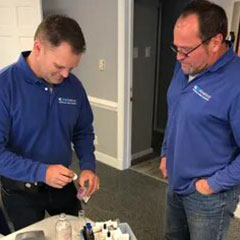
For many homeowners across Virginia, private wells provide independence from municipal water systems. However, that independence comes with responsibility. Unlike city water, private wells are not regulated, monitored, or routinely tested by government agencies. That means homeowners must take proactive steps to ensure their water is safe. Regular well water testing Virginia homeowners rely on is essential—but many people don’t realize what those tests should actually include.
Understanding what to test for, how often to test, and how results guide treatment decisions can help protect your family’s health and your home’s plumbing systems.
Why Annual Well Water Testing Is Critical
Well water can change over time due to environmental conditions, land use, and groundwater movement. Even if your water tested clean in the past, contamination can occur without warning. Flooding, heavy rainfall, nearby construction, or agricultural runoff can introduce harmful substances into groundwater.
Annual well water testing in Virginia ensures that contaminants are identified early, before they cause health issues or damage household systems.
Core Tests Every Virginia Well Should Include
Not all water tests are the same. A basic test may not be enough to detect issues commonly found in Virginia wells. At a minimum, annual testing should include the following:
Bacteria and Coliform
Testing for total coliform and E. coli bacteria is critical. These organisms indicate potential contamination from surface water or septic systems. Even small amounts can pose health risks if left untreated.
Nitrates and Nitrites
Nitrates are commonly linked to fertilizer runoff and agricultural activity. High levels are especially dangerous for infants and pregnant women. Well water testing in Virginia should always include nitrate screening.
pH and Acidity
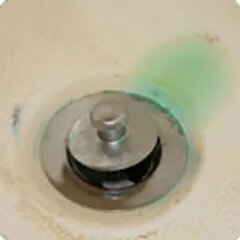
Water that is too acidic can corrode pipes, leading to metal leaching and plumbing damage. Testing pH levels helps determine whether Virginia water conditioning or neutralization is needed.
Hardness and Mineral Content
Calcium and magnesium contribute to hard water, which causes scale buildup and appliance damage. Identifying hardness levels helps guide water conditioning Richmond, VA solutions.
Additional Tests Often Overlooked
Many homeowners only test for bacteria, but other contaminants are frequently missed.
- Iron and manganese – Cause staining and metallic taste
- Lead and copper – May enter water through plumbing corrosion
- Arsenic – Naturally occurring in some groundwater
- Sediment and turbidity – Affect clarity and appliance performance
Comprehensive water testing Richmond, VA professionals recommend includes these additional factors to provide a complete picture of water quality.
How Testing Results Guide Treatment Decisions
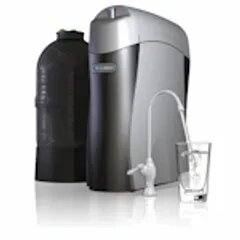
Testing alone doesn’t solve problems—it informs solutions. Results determine whether filtration, conditioning, or full water treatment systems Richmond homes require are necessary.
For example:
- Bacteria may require disinfection and filtration
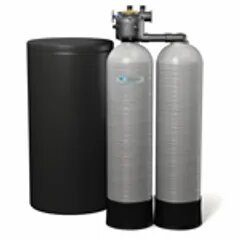
- High hardness often points to conditioning or a water softener Richmond homeowners trust
- Iron or sediment may require specialized filtration
Without proper testing, treatment decisions become guesswork.
Why Well Water Homes Need Customized Treatment
Every well is unique. Depth, location, surrounding land use, and geology all affect water chemistry. That’s why water treatment Richmond, VA solutions for well water are always customized.
Generic systems often fail to address specific contaminants or mineral issues. Professional testing ensures treatment is tailored to your well’s exact conditions.
The Connection Between Well Water and Plumbing Damage
Untreated well water doesn’t just affect drinking water—it impacts plumbing and appliances. Minerals and sediment can accumulate inside pipes, reducing water flow and efficiency. Over time, this buildup leads to leaks, corrosion, and costly repairs.
By combining well water testing in Virginia with proper water conditioning in Richmond, VA, homeowners can protect both health and infrastructure.
When You Should Test More Than Once a Year
While annual testing is the minimum, additional testing is recommended after:
- Flooding or heavy storms
- Changes in taste, odor, or color
- Well repairs or pump replacement
- Nearby construction or land use changes
Routine water testing in Richmond, VA allows homeowners to respond quickly to changes and prevent long-term damage.
How Well Water Testing Fits Into a Complete Water Strategy
Testing is the foundation of any effective water plan. Once results are known, homeowners can implement filtration, conditioning, or other treatment solutions to improve safety and performance.
If you want a broader understanding of how treatment protects homes, this guide on water treatment in Richmond, VA explains how professional systems prevent long-term issues and improve daily water use.
Final Thoughts
Private wells offer independence, but they also require responsibility. Without routine monitoring, contamination can go unnoticed for years. Annual well water testing in Virginia is essential for protecting your family’s health, preserving plumbing systems, and ensuring long-term water reliability.
By pairing testing with customized water treatment systems in Richmond, homeowners gain confidence that their water is safe and dependable.