
How Water Conditioning Richmond, VA Helps Prevent Costly Plumbing Repairs
Many homeowners don’t realize that water quality plays a major role in the condition of their plumbing system. While leaks and clogs are often blamed on age or wear, the underlying cause is frequently untreated hard water. In many homes, water conditioning in Richmond, VA has become a critical solution for preventing costly plumbing repairs and maintaining long-term system performance.
Understanding how mineral-heavy water affects pipes, fixtures, and appliances can help homeowners protect their investment before damage occurs.
What Hard Water Does to Plumbing Over Time
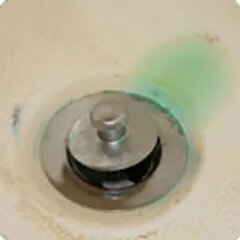
Hard water contains high levels of calcium and magnesium. While these minerals are naturally occurring, they can quietly cause serious issues inside your plumbing system. As water flows through pipes, minerals slowly accumulate along the interior walls, forming scale deposits.
Over time, this buildup reduces pipe diameter, restricts water flow, and increases pressure within the system. Left untreated, scale can contribute to leaks, corrosion, and premature pipe failure. This is why Virginia water conditioning is often recommended for homes experiencing repeated plumbing issues.
Why Richmond Homes Are Especially Affected
The mineral content of water in Richmond, VA varies depending on source, seasonal conditions, and neighborhood infrastructure. Some areas experience moderate to high hardness levels, which accelerate scale formation inside pipes and appliances.
Older homes are especially vulnerable due to aging plumbing materials and narrower pipe diameters. Without proper water conditioning in Richmond, VA, mineral deposits accumulate faster and cause damage that often goes unnoticed until repairs are needed.
How Water Conditioning Protects Pipes and Fixtures
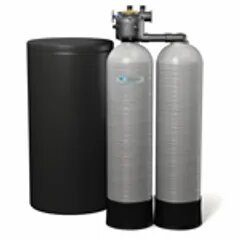
Water conditioning works by reducing or altering the minerals responsible for scale buildup. A professionally installed conditioning system prevents calcium and magnesium from adhering to pipe walls and internal components.
Homeowners who invest in water conditioning in Richmond, VA often notice:
- Improved water flow throughout the home
- Reduced strain on plumbing joints
- Fewer clogged faucets and showerheads
- Less corrosion-related damage
By minimizing scale buildup, conditioning extends the lifespan of both pipes and fixtures.
The Connection Between Plumbing Repairs and Appliance Damage
Plumbing damage doesn’t stop at pipes. Hard water scale also affects water-using appliances such as water heaters, dishwashers, and washing machines. Mineral deposits insulate heating elements, forcing appliances to work harder and consume more energy.
Over time, this added strain leads to breakdowns and costly replacements. Installing water treatment systems Richmond homeowners rely on—especially those that include conditioning—helps prevent appliance damage and improves efficiency.
Why Water Testing Is Essential Before Conditioning
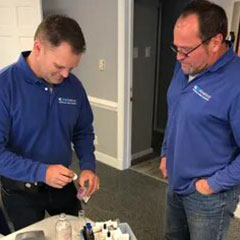
Not all water problems are the same. Before installing any conditioning system, water testing in Richmond, VA is essential. Testing identifies hardness levels, mineral composition, and other factors that influence which solution will be most effective.
Without testing, homeowners risk installing systems that don’t fully address their specific water chemistry. Accurate testing ensures conditioning is properly sized and tailored to your household needs.
If you’re unsure when testing should occur, this guide on water testing in Richmond, VA explains the key triggers homeowners often overlook.
Conditioning vs Softening: Understanding the Difference
While the terms are often used interchangeably, conditioning and softening are not always the same. A water softener Richmond homeowners use typically removes hardness minerals entirely, while conditioning systems may alter how minerals behave to prevent scale.
Both approaches protect plumbing, but the right choice depends on water chemistry, household usage, and long-term goals. Professional guidance ensures the correct solution is installed for your specific situation.
Financial Benefits of Preventing Plumbing Repairs
Plumbing repairs are rarely inexpensive. Leaks, pipe replacements, and appliance failures can quickly add up. By investing in Virginia water conditioning, homeowners often reduce:
- Emergency plumbing calls
- Appliance repair and replacement costs
- Water heater inefficiency and energy waste
- Long-term maintenance expenses
Preventative solutions are almost always more affordable than reactive repairs.
Water Conditioning as Preventative Home Maintenance
Most homeowners schedule routine HVAC maintenance or roof inspections, but water systems are often overlooked. Yet water flows through every part of the home daily. Treating it as part of regular maintenance helps prevent gradual damage.
Professional water conditioning Richmond, VA solutions serve as a protective measure, preserving plumbing integrity and improving system reliability year after year.
How Conditioning Fits Into a Complete Water Strategy
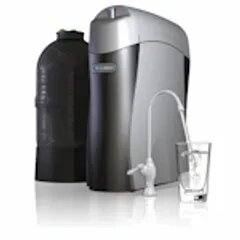
Water conditioning works best when paired with filtration. While conditioning addresses mineral hardness, water filters in Richmond, VA remove chlorine, sediment, and other contaminants that affect taste and clarity.
Together, these solutions form a comprehensive approach to water treatment in Richmond, VA, ensuring both plumbing protection and water quality improvement.
If you want a broader overview of how treatment systems protect modern homes, this guide on water treatment in Richmond, VA explains how integrated solutions prevent long-term damage.
Final Thoughts
Hard water doesn’t cause problems overnight, but its impact is cumulative and costly. Mineral buildup silently damages pipes, fixtures, and appliances until repairs become unavoidable. Investing in professional water conditioning in Richmond, VA helps prevent these issues before they disrupt your home.
Starting with water testing in Richmond, VA ensures the right solution is selected, while proper conditioning protects plumbing and appliances for the long term.